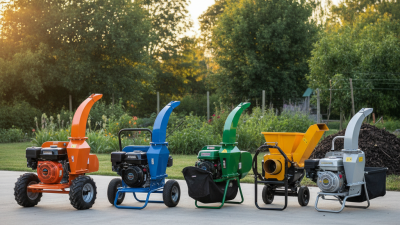
Look, picking the right Moved Chipper Machine isn’t just a spec-sheet exercise. It can change how much work you get done each day, what it costs to move the thing around, and how safe your operators feel. Global buyers shouldn’t stop at a pretty horsepower number. You’ve also got to look at feed opening size, chip output, engine support, spare parts, and whether there’s decent local service. A machine that performs great on a European tree farm might really struggle in humid tropical conditions. Soil, wood density, road quality, and seasonal demand—all of that matters.
So here’s a guide to seven solid Moved Chipper Machine options for professional buyers. The comparison looks at mobility, cutting performance, fuel use, maintenance access, and the real-world limits you’ll run into. Some machines are better for roadside pruning; others can take on bigger branches in forestry and biomass work. Clear photos, verified specs, and supplier references should back up every buying decision. Don’t just trust the brochure. Honestly, brochure claims alone won’t tell you much.
The real-world details are usually where the differences show up. A wide hopper can mean less repeated cutting, sure—but it may also make the machine wider to transport. Bigger tires might get you through muddy ground more easily, though replacements can cost more. Compact electric models can cut down noise, but if charging is hard to find, remote work gets tricky. Small flaws matter. One overlooked detail can hold up a whole project.
This selection also pulls in common feedback from contractors, rental businesses, and equipment techs. That said, no ranking is going to fit every market. Before ordering, buyers should check certification, warranty terms, training, and parts availability. Ask for test videos and recent service records. Take a close look at the discharge chute, emergency stop, tow connection, and blade condition. Good suppliers will answer specific questions without pushing you. That’s a useful sign. From here, you can compare the seven machines with a practical eye—not just marketing excitement.
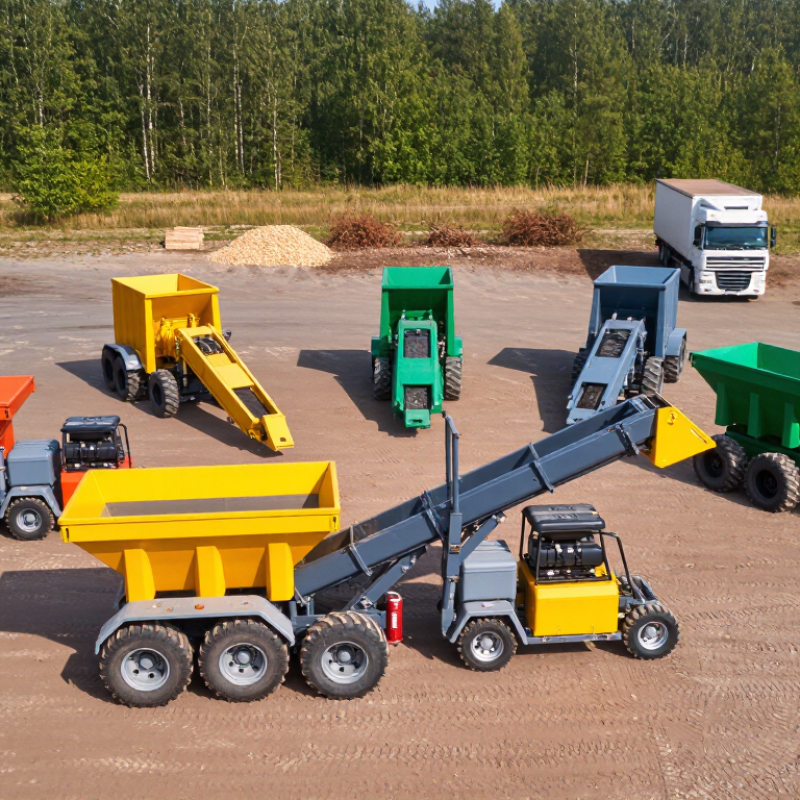
What Are Moved Chipper Machines and How Do They Work?
7 Best Moved Chipper Machines for Global Buyers?
What Are Moved Chipper Machines and How Do They Work?
“Moved chipper machines” usually means mobile or movable Wood Chippers. The wording is imperfect, but buyers often use it for machines transported between sites. These units reduce branches, logs, and forestry residues into manageable wood chips. The FAO Global Forest Resources Assessment 2020 states that forests cover about 4.06 billion hectares worldwide. That scale creates steady demand for practical residue management equipment.
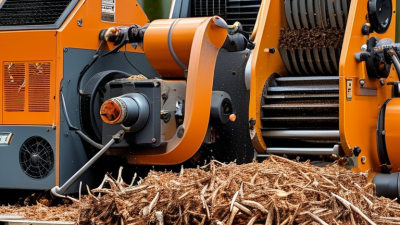
A typical mobile chipper uses an infeed table, gripping rollers, cutting knives, and a discharge chute. The rollers pull material inward. A rotating disc or drum cuts it into chips. Airflow then throws the chips into a trailer, truck, or storage pile. Some machines use diesel power, while others use electric motors or tractor PTO systems. Capacity depends on knife design, feed opening, moisture, and operator control.
The machine must match the worksite.
For example, a narrow unit suits roadside pruning and urban maintenance. A larger tracked unit handles rough forestry ground more effectively. The FAO Forestry Production and Trade database reports global roundwood production in the billions of cubic metres annually, showing the scale of available woody material. However, not all residues are suitable for chipping. Contaminated wood, stones, and oversized pieces can damage knives or create unsafe ejection. Buyers should examine hourly throughput, fuel use, noise levels, maintenance access, and local safety requirements. Published capacity figures can look impressive. Real output is often lower.
How to Compare the Seven Best Chipper Machine Types
Choosing among seven chipper machine types requires more than comparing horsepower. Start with the worksite. Disc chippers usually process straight branches quickly, while drum chippers handle mixed, fibrous material more steadily. PTO models suit farms with existing tractors. Tow-behind units improve road mobility, but their turning radius can frustrate operators in narrow lanes. Tracked chippers reach steep or muddy ground. Electric models reduce local emissions and noise, although charging access remains a practical weakness. Compact hand-fed machines fit urban pruning work but sacrifice throughput.
The scale of available biomass matters. FAO’s Global Forest Resources Assessment 2020 reports approximately 4.06 billion hectares of forest worldwide, yet material density and moisture vary sharply by region. A machine designed for dry plantation residues may struggle with wet hardwood limbs. IEA’s Renewables 2024 analysis also identifies bioenergy as a major contributor to renewable energy growth, increasing interest in reliable processing equipment. Buyers should compare feed-opening size, chipper capacity, fuel use, knife access, discharge height, and certified guarding.
Field experience can expose uncomfortable details. A higher-capacity drum model may waste fuel during small pruning jobs. A lightweight electric unit may perform better near homes, despite slower production. My first comparisons often favored output figures too heavily. That was incomplete. Ask for measured tons per hour, not only advertised capacity. Check service intervals, spare-part availability, operator visibility, and noise data under real loads. Independent testing is ideal, but it is not always available. Then record actual branch diameter, moisture, downtime, and chip quality during a supervised trial.
Which Chipper Machines Suit Different Global Applications?
Global applications demand different mobile chipper machines, not one universal design. FAO’s Global Forest Products Facts and Figures 2023 reports approximately 3.9 billion cubic metres of roundwood production in 2022. That scale includes forestry residues, municipal branches, and agricultural pruning waste. Each material needs a different feed system, rotor design, and discharge method.
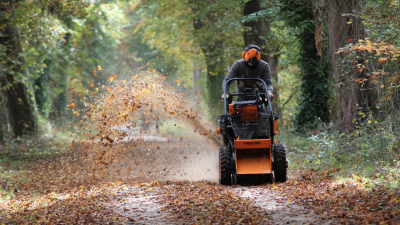
Urban tree maintenance usually suits a compact towable machine with low ground pressure and a narrow body. It can enter residential streets and process branches beside a sidewalk. Forestry contractors often need tracked mobility, a wider feed opening, and stronger hydraulic rollers for uneven terrain. Orchard operators may prefer a smaller China Moved Chipper Machine, especially when moving between narrow planting rows. A clean chip stream also helps produce usable mulch.
Biomass projects require higher throughput and consistent chip dimensions. The IEA’s Renewables 2023 report identifies bioenergy as a major contributor to renewable energy growth, but fuel quality remains critical. Buyers should record hourly output, fuel consumption, chip size, noise, and maintenance time during trials. Do not trust catalogue capacity alone. Wet branches can reduce performance sharply. That detail is often underestimated.
Remote sites need simple controls and accessible wear parts. A machine with impressive power may still fail commercially if service support is slow. Operators should also check guarding, emergency stops, dust control, towing stability, and local transport requirements before purchase. Small oversights become expensive.
Key Performance Features to Evaluate Before Buying
Global buyers should assess a moved chipper machine by output, transportability, and operating control. FAOSTAT reported roughly 3.9 billion cubic metres of global roundwood production in 2022. That scale increases demand for dependable processing equipment. However, advertised capacity can mislead. Actual output changes with wood diameter, moisture, knife sharpness, and operator feeding rhythm.
Check the feed opening first. It should accept your common branch sizes without constant trimming. A practical test uses fresh logs, mixed diameters, and a timed loading cycle. Review rotor speed, cutting system, engine torque, and discharge height.
Fuel consumption matters during long roadside work. Ask for measured tonnes per hour, not only theoretical figures. Noise, dust control, emergency stops, and guarding should match applicable workplace standards. ISO 17225 provides useful language for discussing wood-fuel particle quality, although it does not certify machine performance. Do not confuse the two.
Tips: Request a witnessed field test. Measure fuel used, chips produced, and stoppage time. Inspect access panels and knife replacement steps. A compact frame may reduce transport costs, but a small hopper can slow production badly. For a Wholesale Moved Chipper Machine purchase, compare spare-part availability, service training, warranty response, and local road regulations. The cheapest quote may become expensive after one damaged bearing. I would also question perfect brochure numbers. Real timber is uneven, wet, and occasionally awkward. That uncomfortable reality should shape the final specification.
How to Assess Safety, Maintenance, and Operating Costs
When assessing a High-Quality Moved Chipper Machine, start with the operator’s working position. Guards should cover belts, feed rollers, and discharge zones without blocking visibility. Test the emergency stop, reverse control, warning labels, and hitch connection before considering productivity. Check stability on uneven ground. During field inspections, I look for hydraulic leaks, loose fasteners, cracked welds, and damaged cables. A clean engine bay is useful, but it proves little by itself.
Maintenance costs often hide inside small details. Ask how quickly knives can be changed, whether grease points are reachable, and how often belts need adjustment. Record service hours, fuel use, knife replacement, transport, and unexpected repairs for at least one operating season. That record is more reliable than a sales estimate. Inspect bearings after dusty work, because heat and noise may appear before failure. Do not ignore operator training. A skilled operator can reduce jams, but cannot repair poor guarding.
Operating cost should include labor, fuel, towing, downtime, and disposal of worn parts. Compare output using similar branch diameter, moisture, and loading methods. A machine producing many chips may still be expensive if it needs frequent stops. I sometimes overvalue capacity figures and underestimate access conditions. Narrow gates, soft soil, and distant service support can change the calculation quickly. Request inspection records, parts availability, and clear safety procedures from the seller. Then test the machine under realistic site conditions, not only on a clean demonstration pad.
What Should Global Buyers Check Before Importing a Chipper Machine?
Searching for the Best Moved Chipper Machine is not only a price exercise. Global buyers should match the machine with local wood types, daily workload, and transport conditions. Check the feed opening carefully. A narrow opening may slow work when branches arrive wet, crooked, or mixed in size. Ask for verified output figures, not attractive estimates.
Power compatibility needs attention. Confirm voltage, frequency, engine requirements, and fuel standards before placing an order. Examine the cutting system, blade material, and adjustment method. Replacement blades should be available through reliable channels. Small details matter. A missing fastener can stop production.
Import documents also deserve a close review. Request the user manual, packing list, commercial invoice, test records, and safety instructions. Confirm the machine’s dimensions and gross weight, including the crate. I once underestimated port handling space; the delay cost more than expected. That mistake still influences my buying checklist. Inspect photos of guards, emergency stops, discharge chutes, and access panels. Ask whether the machine suits local weather and storage conditions. Salt air, dust, and heavy rain can damage exposed components. Check warranty terms, remote support, and technician availability in your region. Do not rely on promises alone. Independent inspection before shipment may reveal loose wiring, oil leaks, or damaged packaging. A low purchase price can become expensive when parts, training, and inland delivery are ignored.
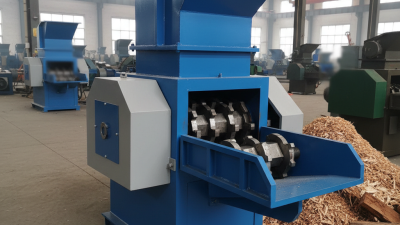
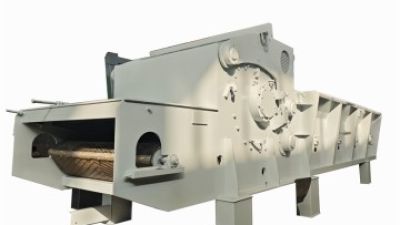
China Haoyuan Machinery Wood Chipper Machine: Efficient Wood Waste Processing from Trusted Factory Suppliers
Efficient wood waste processing starts with reliable equipment designed for demanding applications. This high-performance wood chipper, manufactured by an experienced factory supplier in China, provides a practical solution for converting branches, logs, and other wood residues into uniform, manageable chips. Its powerful structure supports steady operation, helping users reduce waste volume while improving material handling efficiency.
Suitable for landscaping, biomass energy production, agricultural projects, and general property maintenance, the machine can be configured with different chip sizes to match various processing requirements. A durable frame and carefully selected components contribute to dependable performance during extended use, while its straightforward operating design helps simplify routine work. Whether used by commercial operators, farms, landscaping teams, or residential users, this wood chipper offers a flexible and cost-effective way to process wood waste. Direct factory supply also allows for customization options and consistent quality control, making it a practical choice for customers seeking efficient equipment and long-term operating value.
FAQS
“Moved chipper machines” usually means mobile or movable wood chippers. They process branches, logs, and forestry residues into manageable chips. The wording is imperfect. These machines move between work sites.
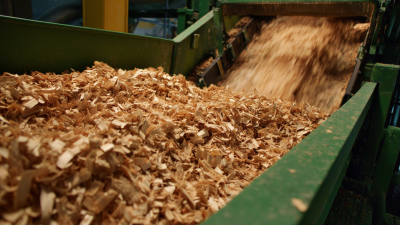
Feed rollers pull branches into the cutting chamber. Rotating knives cut the material into smaller chips. Airflow pushes chips through a discharge chute. The chips land in a trailer, truck, or storage pile.
A compact towable unit usually works well in narrow streets. It can process branches beside sidewalks and residential properties. Low ground pressure helps protect paved surfaces. Check towing stability before moving between locations.
A tracked machine usually handles uneven ground more effectively. It needs strong hydraulic rollers and a wider feed opening. Larger units can process heavier branches and logs. However, published capacity may exceed real output.
Orchard operators often need a narrow machine for tight planting rows. The feed opening should accept pruning branches without frequent cutting. Clean chips can support mulch applications. Wet branches may slow production sharply.
Test hourly output with local branches before purchasing. Record fuel use, chip size, moisture, and maintenance time. Catalogue figures are only a starting point. Real output is often lower.
Confirm voltage, frequency, engine requirements, and fuel standards. Electric models need compatible local power connections. Tractor-powered machines require a suitable PTO system. A mismatch can stop production.
Request the user manual, packing list, invoice, test records, and safety instructions. Check guards, emergency stops, discharge chutes, and access panels. Inspect wiring, oil connections, and packaging before shipment. Small oversights become expensive.
Conclusion
A Moved Chipper Machine is designed to process branches, logs, and other woody materials while allowing convenient relocation between work areas. Its cutting system feeds material into rotating knives or drums, reducing it into chips for landscaping, biomass, composting, forestry, and municipal applications. This overview compares seven common chipper types, including compact mobile units, towable models, drum chippers, disc chippers, and high-capacity systems, explaining how their structures, feeding methods, output sizes, and power requirements suit different global working conditions.
Before buying, global purchasers should evaluate throughput, engine or motor efficiency, mobility, chip quality, noise control, and compatibility with local power standards. Safety features such as emergency stops, guarded infeed areas, operator training requirements, and overload protection are equally important. Buyers should also compare maintenance access, spare-part availability, fuel or electricity costs, transport dimensions, packaging, warranties, documentation, import duties, certification, and after-sales support. Careful evaluation helps ensure that the selected machine is safe, economical, durable, and suitable for local regulations and long-term operating needs.