So you're picking out a Branch Shredder for international work? It's not just about engine power and the price tag. You've also got to look at branch diameter, moisture levels, how much you'll run it each day, transport limits, whether maintenance is actually easy to get to, and if there's local service support. A machine that does great in a dry European orchard might really struggle with wet, tropical branches. And yeah, that difference? It matters.
'Pick your shredder based on how your material actually flows—not because the spec sheet looks impressive,' says Martin Keller, an independent arboricultural equipment consultant who's spent more than 20 years in the field. And honestly? It's solid advice. Even a beast of a machine can guzzle fuel, jam up all the time, or sit idle causing headaches if its feed system isn't right for the job.
So, this guide digs into all those little details that buyers around the world tend to miss. Stuff like drum vs. disc designs, hydraulic feeding, discharge control, noise, operator safety, spare parts availability, and after-sales training. It also looks at mobile versus stationary setups for contractors, municipalities, farms, and recycling companies. Because honestly? The small stuff matters. A wide service door can save you hours when it’s time to clean. And a grease point in an awkward spot? That can turn into a daily annoyance.
Specs? They can be pretty misleading. Real branches aren't neat and uniform—they're uneven, muddy, twisted, and sometimes way bigger than you'd expect. So before buyers decide, they should really ask for a demo using similar feedstock. And honestly, even that isn't foolproof, because seasonal conditions can change how things perform. That's a limitation worth paying attention to.
Honestly, a reliable Branch Shredder should do three things: keep output steady, keep running costs manageable, and make maintenance predictable. The cheapest sticker price? That's almost never the whole story. So this guide gives you a practical way to compare suppliers and spot equipment that actually fits your working conditions—not just the shiny promises from a brochure.
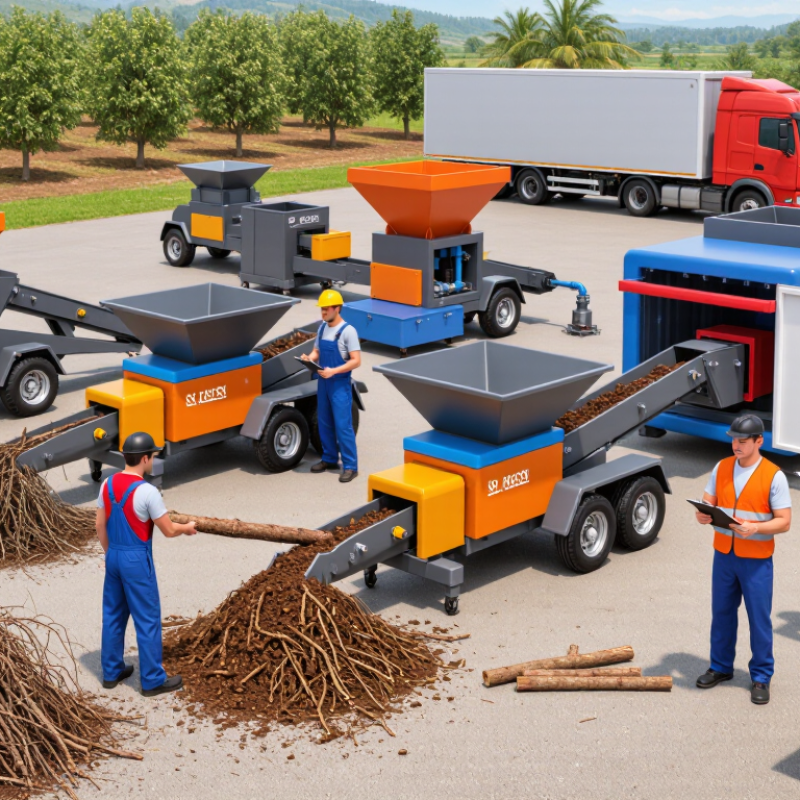
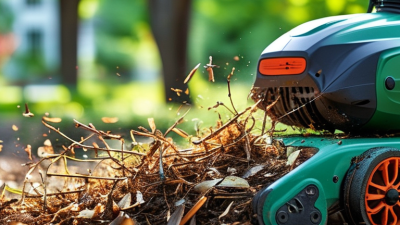
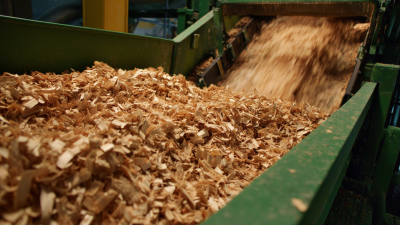
A branch shredder turns green waste into smaller chips, reducing volume for transport, composting, or mulch production. Fresh branches usually feed more easily than dry, brittle wood. Leaves, twigs, and damp bark pass through rotating knives or hammers, while a screen helps control the final chip size. Real output is rarely perfectly uniform.
For global buyers, inspect the feed opening, cutting system, motor power, and discharge height. A narrow inlet may struggle with forked branches. A powerful motor still needs suitable feeding speed. Practical trials should measure hourly capacity, fuel or electricity use, noise, and maintenance time. Search terms such as “Wood Chipper Machine Shredder Tree Branch” may describe different machine types, so confirm the actual structure before purchasing. Ask for test results using branches similar to your local species and moisture levels.
Tips: Remove stones, wire, and hidden metal before feeding. Keep hands away from the inlet. Use proper eye, hearing, and foot protection. Check blades regularly, because dull edges increase vibration and energy use. Leave space around the discharge area. Small details matter. One overlooked issue is cleaning access; difficult access can turn a quick service task into lost working hours. Also, do not judge performance from maximum capacity alone. Real work includes pauses, uneven branches, and operator handling.
A disc chipper suits straight branches and regular landscaping work. Its rotating knives produce uniform chips quickly. A Drum Chipper handles mixed branches, leaves, and uneven feedstock more smoothly. It is useful for municipal pruning teams and large property maintenance. For smaller gardens, an electric shredder offers quieter operation and simpler maintenance. However, it usually accepts thinner branches and requires a stable power supply.
A PTO-driven shredder fits farms and rural contractors with compatible tractors. It can process heavy material, but transport and setup need careful planning. Towable petrol units offer flexibility across parks, roadsides, and construction sites. Their fuel use and noise may become disadvantages during long shifts. In practical testing, wet branches often reduced feeding speed more than expected. I would not choose a machine from capacity figures alone. Operator skill, branch shape, and daily workload matter just as much.
Tips: Measure your largest regular branch before comparing models. Check feed opening size, knife access, discharge height, and spare-part availability. Ask for tested output data using similar moisture levels. Keep hands away from the feed chute, use suitable protective equipment, and follow the operating manual. Local noise, transport, and workplace requirements can also affect the best choice. Sometimes, a smaller machine performs better because workers can feed it consistently.
INhen comparing a branch shredder, start with the worksite, not the advertised horsepower. Measure branch diameter, wood moisture, daily volume, and available power. A machine handling 80-millimeter limbs may struggle with freshly cut, forked branches. Record actual feed speed during a site trial. Small details matter.
Compare the feed opening, cutting chamber, rotor speed, blade material, and torque. A wide opening reduces trimming, while controlled rotor speed can limit vibration and energy use. Check stated throughput against branch type, not an ideal laboratory sample. For a China Branch Shredder, request test data using similar species and moisture levels. Ask whether output size remains consistent after two hours of continuous feeding. Screen size and blade clearance affect chips, clogging, and reprocessing.
Safety specifications deserve equal attention. Look for emergency stops, guarded belts, reverse feeding, overload protection, and clear maintenance access. Noise readings should identify distance and operating conditions. Inspect bearings, service intervals, spare blade availability, and corrosion protection before purchase. I prefer measured data, but supplier sheets can omit difficult conditions. That gap needs discussion. Include transport dimensions, operator training, warranty terms, and local technical support in the comparison. A cheaper unit may cost more when blades dull quickly or blockages consume labor.
A branch shredder should match the worksite, not just the branch diameter. On a small landscaping site, operators need clear controls, compact movement, and a guarded feed opening. I have seen crews underestimate ground conditions. Wet soil can shift a machine during feeding. Level, firm ground matters.
Wear fitted eye protection, hearing protection, gloves, safety footwear, and close-fitting clothing. Loose sleeves can catch near moving parts. Keep hands outside the feed zone. Use a proper feed tool for short or awkward branches. A visible emergency stop should be reachable without stepping around the machine. Guards must stay installed during operation. Never remove a blockage while the engine or rotor can move.
Roadside crews face traffic, pedestrians, dust, and limited space. They need barriers, warning signs, and a controlled loading direction. Forestry sites may require wider exclusion zones because branches can spring back unexpectedly. On slopes, confirm stability before positioning the shredder. Avoid overhead cables, hidden stones, and unstable timber. Noise levels also deserve attention near homes, schools, or shared workplaces.
Daily checks should cover belts, knives, fasteners, tires, hydraulic lines, and emergency controls. Follow the operating manual for shutdown and servicing procedures. Training should include practice with clean, dry material before difficult loads. This is easy to overlook. Weather changes the risk quickly, especially during rain or strong wind. Buyers should also confirm spare-part access, operator training, and service support before choosing equipment.
A Wholesale Branch Shredder should match the worksite, not just the branch diameter. IEA’s Renewables 2024 report identifies bioenergy as the largest renewable energy source worldwide, increasing demand for practical biomass processing. For electric units, check voltage, phase, cable length, and generator capacity before delivery. Electric power can reduce local exhaust emissions, but a weak supply causes overheating and production delays. Diesel-powered machines suit remote clearing, although fuel storage, noise, and exhaust controls require closer management.
Mobility affects daily output. A towable shredder needs a stable chassis, reliable brakes, visible lighting, and clearance for uneven ground. Track-mounted models can cross soft soil, but their undercarriage demands more cleaning after muddy work. The U.S. Forest Service’s Forest Products Laboratory notes that wood moisture strongly influences processing behavior; wet branches may increase clogging and lower throughput. Test local material, including leafy limbs and crooked cuts. Catalog figures are not field guarantees.
Maintenance planning should be visible before purchase. OSHA identifies wood dust as a respiratory and combustible-dust hazard, so inspect discharge areas, guarding, and dust control procedures. Keep blades sharp, but do not assume sharper always means better. Excessive wear can increase vibration and fuel use. Daily checks should include belts, bearings, fasteners, emergency stops, and hydraulic leaks. A maintenance log helps, though many crews forget it during peak season. That is a weakness worth admitting. Ask for parts availability, service intervals, and technician training in your region.
Buying a High-Quality Branch Shredder for global use requires more than comparing motor power. Standards, logistics, support, and total cost can change the purchase decision.
Check the machine’s safety guards, emergency stop, electrical protection, and noise information. Ask for test records and a clear user manual. Requirements differ by destination, so confirm voltage, plug type, labeling, and local conformity rules before payment. A practical trial matters. Feed dry branches, fresh-cut limbs, and uneven pieces. Watch for vibration, clogging, and difficult access for cleaning. I once trusted a specification sheet too quickly. The stated capacity looked impressive, but real branches were less uniform.
Shipping details deserve equal attention. Request packed dimensions, gross weight, crate materials, and loading photos. Confirm the shipping term, port responsibility, insurance, customs documents, and possible import duties. A compact shredder may still need special handling because its feed hopper adds height. Keep critical wear parts in the first shipment when possible. Delays happen.
Support should include installation guidance, maintenance intervals, troubleshooting videos, and access to replacement knives or screens. Ask how quickly technical questions receive answers. Cost means more than the invoice. Include freight, taxes, electricity, labor, sharpening, downtime, and disposal of damaged parts. A cheaper machine can become expensive after repeated blockages. However, higher price alone proves nothing. Compare documented performance, service quality, warranty limits, and parts availability over several years.
Measure branch diameter, moisture, daily volume, and available power. Record actual feed speed during a site trial. Advertised horsepower is not enough.
Fresh-cut, forked, or uneven branches can reduce capacity. Test dry branches and wet limbs separately. Real material is rarely uniform.
Compare the feed opening, cutting chamber, rotor speed, torque, blade material, screen size, and blade clearance. A wider opening may reduce trimming work.
Request test data using similar wood species and moisture levels. Watch vibration, clogging, and output consistency. Measure performance after two hours.
Look for emergency stops, guarded belts, reverse feeding, and overload protection. Maintenance access should be clear. Small design details can prevent injuries.
Confirm voltage, plug type, labeling, electrical protection, and local conformity requirements before payment. Requirements vary by destination. Check the manual carefully.
Ask for packed dimensions, gross weight, crate materials, and loading photos. Confirm shipping responsibilities, insurance, customs documents, and possible duties.
Include freight, taxes, electricity, labor, sharpening, downtime, and damaged-part disposal. A cheaper machine may cost more after repeated blockages.
Request installation guidance, maintenance intervals, troubleshooting videos, warranty limits, and replacement knives or screens. Ask how quickly technical questions receive answers.
No. Measured data is stronger than ideal laboratory claims. I once trusted capacity figures too quickly. Actual branches exposed the gap.
A Branch Shredder is an essential machine for turning branches, twigs, leaves, and other green waste into manageable chips or mulch. This buying guide explains how different shredder types work and which applications they suit, from small gardens and landscaping projects to municipal and commercial operations. It also highlights key specifications, including processing capacity, cutting performance, feed opening size, power output, noise levels, and fuel or electrical efficiency, helping buyers compare equipment more accurately.
The guide also covers safety features and operating requirements for different worksites, as well as the practical importance of mobility, storage, cleaning, blade maintenance, and access to replacement parts. For global buyers, careful evaluation should include applicable safety standards, documentation, shipping arrangements, local service support, warranty conditions, operating costs, and total ownership expenses. By balancing performance, reliability, site requirements, and long-term value, buyers can select a suitable Branch Shredder with greater confidence.