Picking a reliable Petrol Wood Chipper manufacturer in China? Honestly, it takes a lot more than just comparing prices online. You’ve got to look at the engine, how much it can cut, the quality of the steel, safety features, and—don’t forget—after-sales support. The right machine should chew through branches steadily, without shaking like crazy or clogging up every five minutes.
In this market, makers like GreenForge Machinery tend to focus on gear that actually works for farms, landscaping crews, orchards, and smaller forestry jobs. Their Petrol Wood Chipper models might come with reinforced feeding hoppers, sharp alloy blades, adjustable discharge chutes, and either electric or recoil starting. Those little details really matter when you’re dealing with wet branches, uneven ground, or long days of work.
Performance? That comes first.
A supplier you can trust should give you clear specs, engine choices, production photos, inspection records, and maintenance tips you can actually use. Certifications and test documents are worth checking too—because claims alone don’t prove much. And price should mean the full cost: packaging, spare blades, warranty, shipping, technical support, all of it.
That said, no single machine is perfect for every job. A compact chipper might be fine for garden waste but struggle with thick hardwood. A more powerful model can boost productivity, but it’ll also drink more fuel and need more upkeep. This is where people trip up. They fixate on horsepower and nothing else.
This guide digs into China’s Petrol Wood Chipper manufacturing scene, what really affects price, and the questions you should ask before buying. It also touches on ownership stuff—like blade replacement and daily cleaning. Supplier details can change, so verify current specs directly before you order. Taking your time may feel slower, but it’s usually safer and easier on your wallet.
Petrol Wood Chippers: Purpose, Structure, and Core Functions
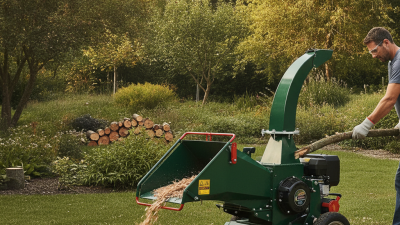
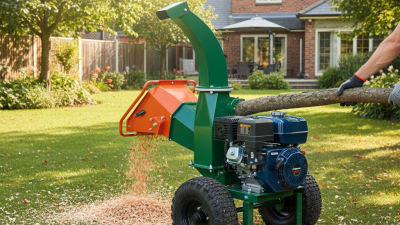
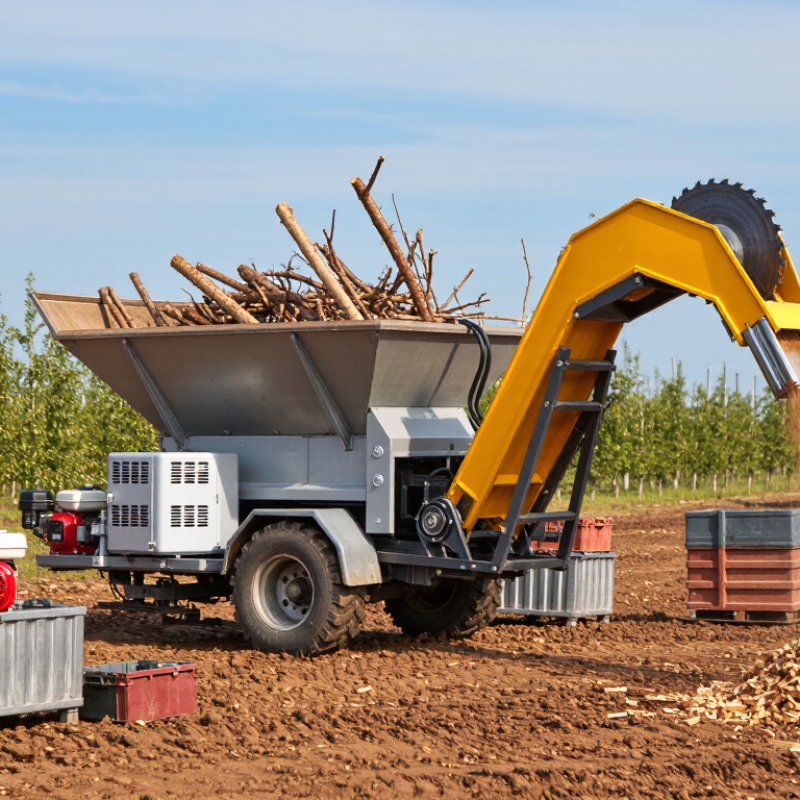
A petrol wood chipper converts branches, pruning waste, and small logs into manageable wood chips. FAO’s Global Forest Resources Assessment 2020 reports that forests cover about 4.06 billion hectares worldwide. This scale creates steady demand for practical residue-processing equipment. A China Petrol Wood Chipper usually combines a petrol engine, feed hopper, cutting rotor, knives, discharge chute, frame, and emergency stop system. The engine supplies torque, while the rotor transfers force to sharpened knives. Chips then leave through the adjustable chute.
Core performance depends on feed opening, engine power, rotor speed, knife design, and material moisture. A wider hopper accepts thicker branches, but it can increase machine weight and fuel consumption. Field experience shows that wet, twisted wood often reduces feeding efficiency. The operator must inspect knives, belts, guards, and fasteners before use. The U.S. Occupational Safety and Health Administration emphasizes machine guarding and safe work zones around rotating equipment. Price should reflect these practical features, not horsepower alone. A low quote can hide frequent knife replacement or weak structural steel.
Tips: Keep branches aligned with the hopper. Never force oversized timber. Remove soil and stones before chipping. The FAO and UNECE Forest Products Annual Market Review consistently highlights resource efficiency as a major industry concern. Even so, efficiency claims need real-site testing. Product brochures can look precise, but uneven logs expose weaknesses quickly. A simple trial with local feedstock remains valuable.
How a Petrol-Powered Wood Chipper Works
A petrol-poweRed Wood Chipper converts engine power into cutting force. A small fuel engine spins a shaft through a clutch, belt, or direct drive. This motion turns a steel disc or drum fitted with sharp knives. When a branch enters the hopper, rotating knives strike it against a fixed cutting edge. The wood breaks into smaller pieces and leaves through the discharge chute.
In practical use, dry branches feed differently from fresh, flexible wood. Operators should match the branch diameter with the machine’s rated capacity. For buyers comparing a Wholesale Petrol Wood Chipper, engine power is only one concern. Cutting chamber design, knife thickness, fuel use, and access to replacement parts also matter.
A clean air filter helps the engine breathe. Loose belts can reduce cutting speed and create vibration. I have found that advertised capacity can feel optimistic in wet conditions. Real performance depends on wood type, feeding rhythm, and knife sharpness.
Tips: Wear eye, hearing, hand, and foot protection. Keep hands away from the hopper. Feed branches butt-end first when suitable. Stop the engine before clearing jams or checking knives. Inspect bolts and guards before every session. Never rush the feed. A slower rhythm often produces steadier chips.
Key Types and Specifications of Wood Chippers
Choosing a petrol wood chipper starts with the material, not the advertised price. Disc chippers suit branches and clean logs. Drum chippers handle mixed garden waste more steadily. For small farms, a compact petrol model can process branches around 80–100 mm thick. Larger machines may accept 150 mm or more, but they require stronger engines and safer handling.
Key specifications include engine power, feed opening, cutting capacity, chip size, and machine weight. A 6–9 horsepower engine often suits routine property maintenance. Electric start improves convenience, especially during cold mornings. Adjustable discharge chutes help direct chips into a trailer or garden bed. Check the blade material and access design before purchase. Easy maintenance saves labor. Still, published capacity can feel optimistic when wood is wet, crooked, or heavily forked.
Tips: Measure your typical branches before comparing models. Leave power reserve for hardwood. Wear eye, hearing, and hand protection. Keep loose clothing away from the feed rollers. Inspect bolts and blades regularly. Price should include delivery, spare blades, fuel use, and service support. A cheaper machine may cost more later. I would also test the feed angle in person when possible; brochures rarely show awkward branches clearly.
China Best Petrol Wood Chipper Manufacturer and Price - Key Types and Specifications of Wood Chippers
| Chipper Type | Typical Application | Recommended Wood Diameter | Engine Power | Engine Type | Feed System | Output Capacity | Discharge Method | Approx. Machine Weight | Indicative China Factory Price | Key Specification Notes |
| Compact Petrol Disc Chipper | Garden branches, orchard pruning and landscaping work | 50–100 mm | 6.5–13 hp | 4-stroke gasoline engine | Manual gravity feed | 1–3 m³/h | Adjustable discharge chute | 100–180 kg | US$800–1,600 | Compact structure, low transport cost and suitable for intermittent light-duty use. |
| Petrol Drum Wood Chipper | Small farms, tree-care contractors and rural maintenance | 80–120 mm | 13–20 hp | 4-stroke gasoline engine | Manual or assisted feed | 2–5 m³/h | Rotating or adjustable chute | 180–320 kg | US$1,400–3,000 | Drum-style cutting systems generally provide stable feeding for mixed branches and green wood. |
| Self-Feeding Petrol Chipper | Professional pruning, municipal green-waste and roadside work | 100–150 mm | 18–35 hp | 4-stroke gasoline engine | Gravity or roller-assisted feed | 3–8 m³/h | Adjustable high-discharge chute | 300–550 kg | US$3,000–6,500 | Higher power and improved feeding help reduce manual handling and increase daily productivity. |
| Hydraulic-Feed Petrol Chipper | Tree-service companies and continuous commercial operation | 120–180 mm | 25–45 hp | 4-stroke gasoline engine | Hydraulic feed rollers | 5–12 m³/h | Powered discharge chute | 500–850 kg | US$5,500–11,000 | Hydraulic rollers provide more consistent feeding and are better suited to uneven or forked branches. |
| Trailer-Mounted Petrol Chipper | Mobile landscaping, forestry access roads and utility maintenance | 150–200 mm | 35–65 hp | 4-stroke gasoline engine | Hydraulic feed rollers | 8–18 m³/h | 360-degree rotating chute | 900–1,500 kg | US$10,000–22,000 | Road-towable layouts improve mobility; trailer brakes, lighting and local road regulations should be checked. |
| Heavy-Duty Petrol Drum Chipper | Large branches, farm-clearing projects and biomass preparation | 180–250 mm | 45–75 hp | Industrial 4-stroke gasoline engine | Hydraulic feed rollers | 10–25 m³/h | Powered adjustable chute | 1,000–1,800 kg | US$16,000–32,000 | Designed for demanding workloads; actual throughput depends on wood species, moisture and operator feeding rate. |
| Multi-Purpose Chipper Shredder | Branches, leaves, brush and mixed garden residues | 50–100 mm for branches | 9–20 hp | 4-stroke gasoline engine | Separate branch and hopper inlets | 1–5 m³/h | Bagging outlet or discharge chute | 120–350 kg | US$1,200–4,500 | Versatile for mixed green waste, but branch capacity is usually lower than that of dedicated drum chippers. |
How to Evaluate a Chinese Wood Chipper Manufacturer
China Best Petrol Wood Chipper Manufacturer and Price
Choosing a Chinese petrol wood chipper manufacturer requires more than comparing online prices. Check how the factory designs, tests, and supports its machines. Request clear details about engine power, cutting capacity, rotor speed, feed opening, and fuel consumption. These figures should match the machine’s actual working conditions.
A reliable manufacturer can provide factory videos, inspection records, and traceable machine numbers. Ask to see the steel thickness around the hopper and the welding quality. Uneven welds, thin guards, or loose fasteners deserve attention. Confirm whether the blades are heat-treated and easily replaceable. Spare belts, bearings, knives, and safety switches should have stable availability.
Price needs careful comparison. A cheaper quotation may exclude packaging, spare parts, training, or transport costs. Request a complete written offer with warranty terms and delivery details. Speak with previous overseas buyers when possible. Their feedback can reveal response speed after a breakdown. I have learned that attractive specifications do not always guarantee smooth operation. A demonstration with wet branches is more useful than polished photos. The manufacturer should explain maintenance clearly, even when the explanation exposes design limitations. That honesty matters. Past export experience, responsive engineers, and consistent documentation often indicate dependable cooperation.
Factors That Determine Petrol Wood Chipper Prices
China Best Petrol Wood Chipper Manufacturer and Price
Petrol wood chipper prices depend on engine power, cutting capacity, and build quality. A compact 6–8 horsepower machine usually costs less than a commercial unit with a 15–25 horsepower engine. The feed opening also matters. A 100 mm opening handles garden branches, while a 150 mm opening needs stronger blades and a heavier frame. These parts raise manufacturing and shipping costs.
FAO’s Global Forest Products Facts and Figures 2023 reported about 3.9 billion cubic metres of global roundwood production in 2022. This large supply supports continuing demand for chipping equipment, but local timber prices still vary widely. The U.S. Bureau of Labor Statistics’ producer price data also shows why machinery prices change with steel, engines, and transport costs. A High-Quality Petrol Wood Chipper should therefore be judged by output, fuel use, blade life, and service access—not only by its purchase price. A low quote can become costly. The calculation is not perfect.
Tips: Compare kilograms of chips per hour, not only engine horsepower. Check whether replacement blades, belts, and safety guards are available locally. Ask for fuel-consumption data under real branch loads. A machine that consumes more fuel may reduce savings during daily work. Also inspect the frame welds and wheel assembly before ordering. Small details matter.
China Petrol Wood Chipper Price by Engine Power
Petrol wood chipper prices are mainly influenced by engine power, feed capacity, cutting system, machine weight, and production volume. The chart shows typical non-brand market price ranges in USD for general-purpose petrol wood chippers.
Prices are indicative market ranges for non-branded equipment and may vary according to specifications, materials, order quantity, shipping, and customization.
How to Choose the Right Wood Chipper for Your Needs
Choosing the Best Petrol Wood Chipper starts with the material, not the advertised horsepower. Measure your largest branch and estimate daily volume. A 3-inch feed opening suits pruning waste, while storm-damaged limbs may require a wider hopper. Wet pine feeds differently from dry hardwood. Test both conditions when possible.
FAO’s Global Forest Resources Assessment 2020 reports that forests cover 31% of global land area. This reflects the scale of available woody material, but local work is usually more demanding than factory demonstrations. Check engine torque, blade access, wheel clearance, and discharge control. A compact petrol unit may reach narrow gardens, while a heavier machine handles continuous loads more steadily. Noise matters. So does fuel storage.
Safety deserves practical attention. The U.S. Bureau of Labor Statistics recorded an 87.3 fatal injury rate per 100,000 full-time logging workers in 2022. Chipping is not identical to logging, yet the figure shows why risk estimates should not be casual. Select a machine with an accessible emergency stop, guarded belts, and a feed design that keeps hands away from rollers. Wear eye, hearing, hand, and foot protection. Never bypass a safety device. I have seen buyers focus on low price, then discover that maintenance access wastes hours each week. That mistake is easy to repeat. Review service intervals, replacement blade costs, and local technician availability before comparing the final petrol price.
Safety, Maintenance, and Service Considerations
China Best Petrol Wood Chipper Manufacturer and Price
Safety, Maintenance, and Service Considerations
A petrol wood chipper should be judged by lifecycle value, not purchase price alone. OSHA recorded 1,644 machine-guarding violations in fiscal year 2023, showing that basic protection still fails in real workplaces. A reliable machine needs a secure feed chute, emergency stop control, shielded belts, and stable wheels. ISO 12100 also recommends documented risk assessment before operation. Operators should wear eye, hearing, hand, and cut-resistant leg protection. Loose clothing is dangerous.
Maintenance affects both output and injury risk. Check knife sharpness, fasteners, fuel lines, and discharge screens before each shift. Replace damaged guards immediately. Clean resin and wet chips from the feed area. Petrol storage needs ventilation and strict control of ignition sources. The U.S. EPA’s Small Off-Road Engine emissions guidance also supports correct servicing, because poor combustion increases smoke and fuel waste. Small details matter.
Tips: Ask the manufacturer for a maintenance schedule, spare-part lead times, training support, and written warranty terms. Confirm service response in your region. A cheaper unit may become expensive when knives, belts, or bearings are unavailable. In field inspections, neglected lubrication is common. I still think some service promises sound better than they perform, so request evidence, not reassurance. Test the emergency stop before production begins. Five minutes can prevent a serious failure.
Mobile Wood Chipper Machine from China: Efficient Wood Processing Solutions for Global Buyers
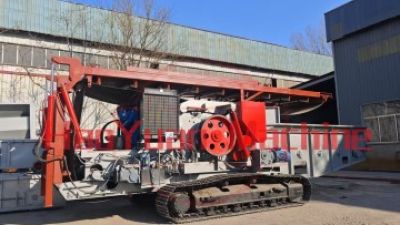
A mobile wood chipper machine from China offers an efficient and flexible solution for processing branches, logs, and other wood waste. Designed for convenient transportation and on-site operation, it can be moved easily between landscaping projects, farms, orchards, and forestry areas. By converting bulky wood materials into manageable chips, this equipment helps improve worksite organization while reducing the time and labor required for wood disposal.
Built for practical performance, the machine is suitable for producing wood chips used in landscaping, gardening, composting, and biomass fuel applications. Its versatile design allows global buyers to support a wide range of wood-processing tasks with one dependable piece of equipment. A robust structure, stable operation, and straightforward maintenance can help users achieve consistent results in demanding working environments. Manufactured in China, this mobile chipper can be supplied for professional contractors, agricultural operators, municipal maintenance teams, and forestry workers seeking a reliable way to optimize wood waste management.
FAQS
Start with your usual branches, not the advertised price. Measure their diameter and note whether they are wet, crooked, or forked.
A compact petrol model often handles branches around 80–100 mm thick. A 6–9 horsepower engine suits routine maintenance.
Choose a larger machine for branches around 150 mm or more. It needs a stronger engine, heavier frame, and safer handling.
A 100 mm opening suits garden branches. A 150 mm opening requires stronger blades and a more substantial frame.
Check engine power, cutting capacity, chip size, weight, and feed opening. Blade material and access design also affect maintenance time.
Not always. Wet wood, awkward forks, and crooked branches can reduce output. Brochures rarely show these difficult cases clearly.
Electric start helps on cold mornings. An adjustable discharge chute can direct chips into a trailer or garden bed.
Include delivery, fuel, spare blades, belts, servicing, and local support. A cheaper machine may cost more later. The calculation can be imperfect.
Wear eye, hearing, and hand protection. Keep loose clothing away from feed rollers. Inspect bolts and blades regularly.
Ask for fuel use under realistic branch loads. Compare chips produced per hour, not horsepower alone. Real work may differ.
Conclusion
A Petrol Wood Chipper is a practical machine designed to reduce branches, logs, and garden waste into manageable wood chips. This summary explains its main structure, including the petrol engine, cutting system, feed hopper, discharge chute, and safety controls, as well as how engine power drives the blades or knives to process wood efficiently. It also introduces common chipper types and specifications, such as engine output, maximum cutting diameter, production capacity, mobility, and chip size.
Choosing a reliable Chinese manufacturer requires attention to product quality, manufacturing experience, testing procedures, spare-parts availability, technical support, and after-sales service. Petrol wood chipper prices are influenced by engine performance, materials, cutting capacity, configuration, and service conditions. Buyers should select equipment according to workload, wood diameter, operating environment, transport needs, and budget. Proper training, regular inspection, blade maintenance, secure operation, and timely servicing are essential for safe, efficient, and long-lasting use.