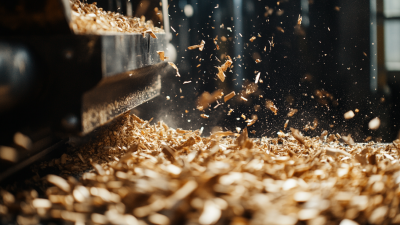
Choosing a dependable Limb Shredder supplier isn't just about comparing motor specs or hunting for the lowest online price. For buyers around the world, it’s really about finding proof that the machine performs well in real-world conditions, that the manufacturer keeps things steady over time, and that after-sales support is responsive when you need it. This guide takes a look at some of China’s top manufacturers, especially through their working environments and practices.
When picking a shredder, I’d say a few key things matter: rotor design, quality of knives, how much you can feed into it, control over the discharge, dust management, and energy efficiency. But it’s also super important to check out the experience of the factory—things like their export history, how flexible they are with customization, availability of spare parts, and how well they communicate technically. Sure, a machine may look really sleek in the brochure, but when you actually get it working with wet branches, tangled vines, or uneven feeding, that’s another story.
Daniel Reed, an independent consultant specializing in biomass equipment, sums it up nicely: “A good Limb Shredder should make your next step easier, not just make a lot of noise.” That’s a point worth remembering when stuff is actually running. Operators feel vibrations on the platform, hear changes in bearings that hint at potential failures, and need to handle branches ranging from thin twigs to thick, forked limbs. So, when you’re looking at supplier claims, don’t just take their word for it—check out videos, test reports, references, and even visit the factories if you can.
Some of the companies covered here include Harden Machinery, Genox Recycling Tech, Wiscon Envirotech, Shredwell Recycling, Taizy Machinery, Zhangjiagang Sevenstars Machinery, Henan Honest Machinery, Zhengzhou Yufeng Machinery, Jiangsu Xutian Environmental Protection Machinery, and Gongyi City Yuxiang Heavy Machinery.
Of course, no list is perfect. Everyone’s priorities are a bit different. Some factories might offer tons of customization but don’t have great overseas support; others might have super polished brochures and detailed documentation but charge more for their equipment. This guide isn’t trying to pick a single winner—rather, it’s about highlighting those trade-offs so you can make a smarter choice. Whether you’re importing, working in landscaping, biomass processing, or recycling, the goal is to help you get a shorter, more reliable shortlist. Before you place an order, make sure to verify material tests, warranty options, installation support, and whether the machine complies with your local rules and regulations.
What Is a Limb Shredder and Where Is It Used?
What Is a Limb Shredder and Where Is It Used?
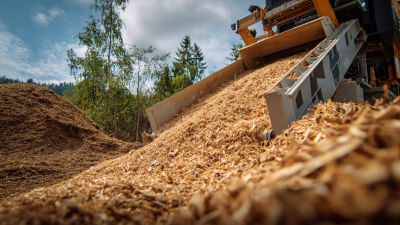
A limb shredder is a machine designed to reduce branches, twigs, and pruning waste into smaller wood pieces. Unlike a household garden tool, it handles heavier material with a reinforced cutting chamber, rotating knives, or hammers. The output may become mulch, compost carbon, or feedstock for controlled biomass processing. Size matters. Wet branches behave differently from dry wood.
In orchards, workers use limb shredders after seasonal pruning. The machine can process piles left between tree rows, reducing transport volume and improving site cleanliness. Landscaping crews use them for storm-damaged limbs, hedge cuttings, and park maintenance. Municipal green-waste facilities may also use larger systems before screening and composting. A China Limb Shredder can be evaluated for these tasks by checking feed opening size, motor capacity, discharge control, and spare-part access.
Safe operation requires trained workers, stable ground, guarded moving parts, and clear feeding procedures. Operators should never push material by hand. Branches can twist suddenly. Maintenance records also matter, especially for blades, belts, bearings, and emergency stops. In practice, a machine rated for large limbs may perform poorly with muddy or tangled waste. That is an easy detail to overlook. Buyers should test local materials before choosing capacity, because catalog figures rarely describe every working condition.
How to Evaluate Limb Shredder Manufacturers for Global Buyers
Choosing among the China top 10 limb shredder manufacturers requires more than comparing online prices. Global buyers should examine machine performance, factory experience, and after-sales support. Ask how long the manufacturer has produced wood-processing equipment. Request test videos using branches similar to your materials. Fresh bamboo, dry hardwood, and wet green limbs can produce very different results.
A reliable supplier should provide motor specifications, feed opening dimensions, blade materials, capacity data, and maintenance instructions. Check whether the machine includes overload protection, emergency stops, and clear operating guidance. For Wholesale Limb Shredder purchases, confirm export packaging and spare-parts availability before signing an agreement. I have found that attractive capacity figures may depend on ideal conditions. Real output can drop when branches are crooked, damp, or mixed with leaves. That detail deserves honest discussion.
Tips: Request a live factory test, not only edited footage. Compare energy use, noise levels, discharge size, and cleaning time. Ask for references from buyers in similar climates. Review warranty terms carefully, including response times and replacement procedures. If communication feels vague, pause the order. A cheaper machine may become expensive through downtime, shipping delays, or unsuitable parts. Also inspect quality documents and payment safeguards. No supplier is perfect, and your evaluation should record both strengths and weaknesses.
Top 10 Limb Shredder Manufacturers and Their Core Strengths
China’s top ten limb shredder manufacturers serve forestry, landscaping, municipal, and biomass processing buyers. Their core strengths differ, so equipment selection requires practical comparison. Experienced suppliers typically provide rotary, drum, or disk shredding systems for varied branch sizes. Some specialize in compact machines for parks and small contractors. Others build high-capacity lines for continuous commercial processing.
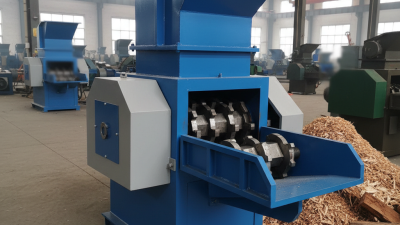
Engineering is a major advantage among these manufacturers. Several suppliers offer reinforced cutting chambers, replaceable blades, and adjustable feeding systems. Some focus on diesel power for remote worksites. Others develop electric models for quieter urban operations. Automation specialists add overload protection, emergency stops, and simple control panels. Custom-build manufacturers can adapt discharge height, conveyor length, and hopper dimensions. Export-oriented producers often support multilingual manuals, spare-part planning, and installation guidance.
Real operating conditions matter more than impressive specifications. A wet branch can behave very differently from dry timber. Buyers should request tested capacity using similar material. Independent inspections can reveal weak welds, poor belt alignment, or difficult maintenance access. One overlooked issue is cleaning time after daily use. It directly affects labor costs. Some advertised output figures may also seem optimistic. A careful supplier should explain testing methods, fuel use, blade life, and service response clearly. Performance claims deserve verification before a purchase order is signed.
Product Types, Processing Capacity, and Key Technical Features
China Top 10 Limb Shredder Manufacturers for Global Buyers
Limb shredders usually fall into drum, disc, mobile, and electric models. Drum units handle mixed branches steadily, while disc machines produce more uniform chips. Mobile shredders suit roadside clearing and municipal contracts. Market specifications commonly show capacities from 5 to 50 tonnes per hour, but moisture, limb diameter, and operator skill change the result. A High-Quality Limb Shredder should include a wide feed opening, reversible knives, overload protection, and an adjustable discharge screen. IEA Bioenergy reports that woody residues remain an important biomass resource, yet feedstock quality still limits efficient conversion. The number on a brochure is not the whole story.
Processing capacity must be tested with the buyer’s actual material. A 300-millimetre limb may pass easily when dry, then stall when wet and twisted. Look for rotor torque, hydraulic feeding control, knife access, dust management, and fuel consumption per tonne. ISO 17225-1 provides useful guidance for solid biofuel particle quality, although it does not certify shredder performance. FAO’s Global Forest Resources Assessment 2020 estimates that forests cover about 31% of global land area, creating diverse residue streams and operating conditions. I would not compare machines using tonnes per hour alone; that approach is convenient, but incomplete.
Tips: Request a witnessed test using local limbs. Record hourly output, screen size, fuel use, noise, and downtime. Ask for maintenance intervals and spare-part lead times. A smaller machine may outperform a larger one when access roads are narrow. Capacity claims still need careful questioning.
China Top 10 Limb Shredder Manufacturers for Global Buyers - Product Types, Processing Capacity, and Key Technical Features
| Rank | Anonymous Supplier Profile | Primary Product Type | Typical Feed Opening | Recommended Limb Diameter | Motor Power Range | Typical Throughput | Output Size | Key Technical Features | Suitable Applications |
| 1 | Supplier Profile A | Single-shaft limb shredder | 600 × 800 mm | Up to 250 mm | 45–90 kW | 3–8 t/h | 20–80 mm | Hydraulic pusher, replaceable cutting tools, automatic reverse protection, adjustable screen | Green-waste recycling and biomass preparation |
| 2 | Supplier Profile B | Double-shaft shear shredder | 800 × 1,200 mm | Up to 350 mm | 55–110 kW | 5–12 t/h | 30–150 mm | High-torque gearboxes, counter-rotating shafts, overload protection, low-speed cutting | Mixed branches, roots, stumps, and bulky green waste |
| 3 | Supplier Profile C | Horizontal wood-limb shredder | 700 × 1,500 mm | Up to 300 mm | 75–160 kW | 8–20 t/h | 10–60 mm | Continuous horizontal feeding, heavy-duty rotor, wear-resistant housing, conveyor integration | Large-scale wood yards and municipal processing plants |
| 4 | Supplier Profile D | Mobile diesel-powered limb shredder | 500 × 700 mm | Up to 200 mm | 60–130 hp | 2–6 t/h | 30–100 mm | Trailer chassis, hydraulic feed rollers, emergency stop circuit, remote control option | Roadside maintenance, parks, forestry, and on-site recycling |
| 5 | Supplier Profile E | Electric drum-type Branch Shredder | 400 × 600 mm | Up to 150 mm | 30–75 kW | 1–4 t/h | 15–50 mm | Compact drum rotor, belt drive, dust-reduction enclosure, simple maintenance access | Small recycling stations, farms, and landscaping contractors |
| 6 | Supplier Profile F | Low-speed high-torque shredder | 900 × 1,400 mm | Up to 400 mm | 90–180 kW | 8–18 t/h | 40–200 mm | Planetary reducer, torque-limiting coupling, hardened blades, automatic material release | Stumps, thick limbs, root balls, and difficult bulky feedstock |
| 7 | Supplier Profile G | Disc-style Wood Chipper-shredder | 350 × 500 mm | Up to 180 mm | 45–110 kW | 4–10 t/h | 5–30 mm | High-speed disc, replaceable knives, screened discharge, adjustable feed angle | Uniform wood chips, biomass fuel, and compost bulking material |
| 8 | Supplier Profile H | Vertical garden-waste shredder | 500 × 800 mm | Up to 220 mm | 37–90 kW | 2–7 t/h | 20–100 mm | Vertical hopper, gravity-assisted feeding, replaceable liners, integrated discharge conveyor | Garden waste, pruning residues, and composting facilities |
| 9 | Supplier Profile I | Pre-shredder for mixed biomass | 1,000 × 1,600 mm | Up to 450 mm | 110–250 kW | 12–30 t/h | 50–250 mm | Large hopper, reinforced rotor, hydraulic drive option, PLC monitoring, metal protection system | Industrial biomass plants and high-volume green-waste operations |
| 10 | Supplier Profile J | Fine-output secondary shredder | 600 × 900 mm | Up to 180 mm | 75–150 kW | 5–14 t/h | 5–25 mm | Multi-blade rotor, interchangeable screens, dust-control ports, overload monitoring | Pelletizing, composting, mulch production, and fuel preparation |
Note: Capacity, feed size, power demand, and final particle size vary with wood species, moisture content, feed composition, knife configuration, screen size, and operating conditions. The figures above represent typical specification ranges for industrial limb and green-waste shredding equipment and should be confirmed against the supplier’s current technical datasheet.
Safety, Durability, Maintenance, and Environmental Performance
China Top 10 Limb Shredder Manufacturers for Global Buyers
Safety, Durability, Maintenance, and Environmental Performance
Safety starts with controlled feeding, not maximum throughput. Global buyers should check emergency stops, interlocked access doors, guarded discharge points, and clear exclusion zones. ISO 12100 risk-assessment principles provide a useful benchmark for machine design. Operators also need practical training, lockout procedures, and hearing protection. A powerful rotor cannot compensate for poor site discipline. No shredder is maintenance-free.
Durability depends on frame strength, rotor balance, bearing protection, and replaceable cutting tools. Buyers should request fatigue-test records, service-hour data, and warranty terms covering high-wear parts. Sealed bearings and reversible knives can reduce downtime, but only when inspection schedules are followed. Maintenance logs should record operating hours, vibration, knife condition, and lubricant changes. Some specifications look impressive yet hide substantial labor. That deserves honest questioning.
Environmental performance should include fuel use, noise, dust, and material recovery. The U.S. Environmental Protection Agency reported 35.4 million tons of yard trimmings generated in 2018, with 24.4 million tons composted. Efficient limb shredders can support this circular flow by producing consistent chips for composting, mulch, or biomass applications. Buyers should compare fuel consumption per processed ton, not only engine power. Low emissions help, but transport distance and poor maintenance can erase part of the benefit. Noise testing under realistic loading conditions is often overlooked.
Comparing Prices, Customization, Certifications, and After-Sales Support
When comparing China’s top 10 limb shredder manufacturers, global buyers should examine more than the quoted machine price. A low offer can still be expensive after freight, spare parts, installation, and local electrical changes. Ask for a clear quotation with motor power, feed opening, output size, and warranty terms. The Best Limb Shredder is not always the cheapest option.
Customization matters in real work. A municipal contractor may need a wider hopper for irregular branches, while a small landscaping team may prefer a compact frame and lower power use. Request production videos using similar wood diameter. Check whether knives, screens, and hydraulic parts are standard sizes. Small design details matter. Some suppliers promise adaptation but provide vague drawings. That should invite careful questions.
Certifications should match the destination market, not merely appear in a brochure. Verify machine safety documents, electrical compliance, factory quality records, and test reports with identifiable issue dates. Ask whether certificates cover the complete machine or only individual components. After-sales support deserves equal attention. Confirm response times, remote troubleshooting, language support, spare-part availability, and technician travel costs. A useful supplier can provide manuals, wiring diagrams, maintenance schedules, and video training. Buyers should also request two recent customer references, although references may not reveal every weakness. A written warranty is helpful, but practical support often decides whether downtime lasts hours or weeks.
How to Select the Right Limb Shredder Supplier for Your Market
Choosing the right limb shredder supplier requires more than comparing catalog photos.
In field evaluations, I check branch diameter, moisture, wood species, and daily volume before discussing machine size. A unit designed for dry branches may struggle with wet, fibrous feedstock. Measure your material carefully. Ask suppliers to test representative samples, not polished showroom pieces. This exposes bridging, uneven discharge, and excessive dust.
A credible supplier provides motor data, knife specifications, safety interlocks, noise readings, and maintenance intervals.
Request documented test results and references from markets with similar climates and power standards. Confirm installation support, spare-part availability, operator training, and response times. These details affect uptime more than a low purchase price.
Check whether electrical systems, guarding, and emergency stops match local requirements. Compliance claims should include verifiable documents.
I also compare total operating costs over three years.
Include energy use, knife replacement, labor, transport, and planned downtime. A cheaper shredder can become expensive when parts travel slowly. That mistake is easy to make.
Ask how the supplier handles warranty disputes and performance gaps. Put capacity, particle size, delivery terms, and acceptance testing in writing.
Be careful with impressive hourly figures; they may assume ideal material and continuous feeding.
A practical supplier will admit limits and suggest adjustments. My selection process is not perfect, because seasonal feedstock can defeat early estimates. Review those assumptions before signing.
Conclusion
This guide introduces the Limb Shredder, a specialized machine designed to process tree branches, pruning waste, logs, and other woody materials into manageable chips or biomass. It explains where these machines are used, including landscaping, forestry, municipal waste management, agriculture, and renewable energy projects. For global buyers, the article outlines how to evaluate manufacturers by examining product reliability, processing capacity, equipment configuration, safety systems, durability, maintenance requirements, environmental performance, and compliance with relevant market standards.
It also compares different machine types, technical features, customization options, pricing considerations, certifications, delivery capabilities, and after-sales support. Special attention is given to cutting systems, feed mechanisms, power sources, noise and dust control, spare-parts availability, and operator protection. By reviewing these factors together, buyers can identify suppliers that match their material requirements, operating conditions, budget, and service expectations, while selecting a durable and efficient Limb Shredder for long-term use.