Leave Your Message
0%

Picking the right Flat Die Pellet Machine is pretty important if you want your pellet production to go smoothly. Honestly, there are so many options out there, each designed for different needs, so it’s worth taking a moment to figure out what really works for you.

A good quality Flat Die Pellet Machine should be durable and efficient—that's honestly what you should be aiming for. Things like adjustable die sizes and motor power can make a big difference, but I know it can be super confusing to figure out which features are actually useful for your setup. And sometimes, the most hyped-up machines aren’t necessarily the best fit.

Getting some advice from the pros – like manufacturers or folks who've been using these machines – can really help shed some light on what performs well and holds up over time. I’d suggest spending some time reading reviews and hearing about real experiences, cause what works great for one person might not be ideal for you. Taking these little details into account can really make a difference, leading to smarter choices and, hopefully, better results in the long run.

How to Choose the Best Flat Die Pellet Machine for Your Needs?

Understanding Flat Die Pellet Machines: An Overview

Flat die pellet machines are essential for producing quality pellets from various materials. These machines apply pressure through flat dies to compact raw materials into pellet form. According to a report by the International Journal of Renewable Energy Research, the demand for Wood Pellets is projected to grow byover 6% annually up to 2025. This surge emphasizes the need for reliable pellet machinery.

When considering a flat die pellet machine, several factors must be evaluated. The machine’s capacity, die size, and material compatibility are crucial. Ideally, the machine should produce pellets with a diameter between 6mm and 8mm, as these sizes often yield optimal combustion efficiency. However, purchasing the wrong type can lead to reduced output or inconsistent pellet quality, which is a common pitfall for new users.

It's also vital to assess the machine's build quality. A well-constructed machine reduces maintenance issues and prolongs lifespan. Yet, even the best machines can present challenges. Users often report difficulty in adjusting settings to achieve desired pellet density or hardness. This can impact productivity and require trial and error, which may deter some operators.

Key Features to Consider When Choosing a Pellet Machine

How to Choose the Best Flat Die Pellet Machine for Your Needs?

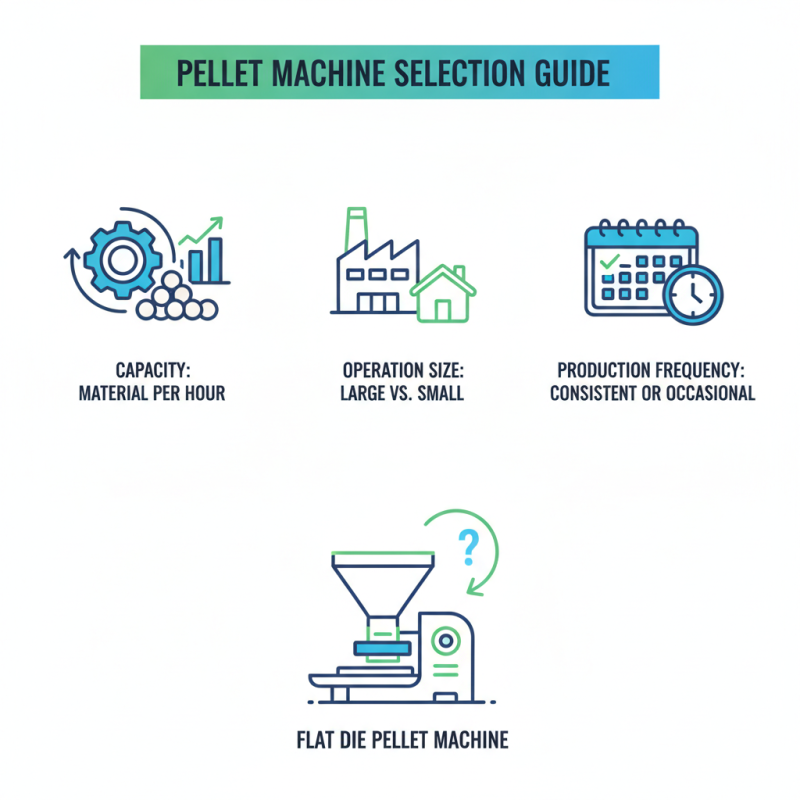
When choosing a flat die pellet machine, several key features come into play. The capacity of the machine is crucial. Higher capacity machines can process more material per hour. This can be beneficial for larger operations or frequent production needs. However, smaller operations may find high-capacity machines unnecessary and potentially overwhelming.

Another important feature is the material versatility. A good pellet machine should handle various raw materials, from wood to agricultural waste. Some machines may struggle with hard materials or produce inconsistent pellets. Experienced users often recommend inspecting a machine’s specifications for compatibility with your intended materials. This ensures efficient processing and better-quality pellets.

Ease of maintenance is often overlooked. Machines that are difficult to clean or service can lead to downtime. Regular maintenance is essential for optimal performance. Users should consider the design of the machine and the availability of replacement parts. It’s essential to have a reliable source for components.

Investing in a "Hot Sale Biomass Wood Flat Die Pellet Machine" may seem appealing due to lower prices. However, it’s essential to reflect on the long-term costs associated with cheaper machines. Sometimes, a higher initial investment will yield better reliability and efficiency down the line. Understanding these features will aid in making a well-informed choice.

Assessing Pellet Quality: Importance and Indicators

How to Choose the Best Flat Die Pellet Machine for Your Needs?

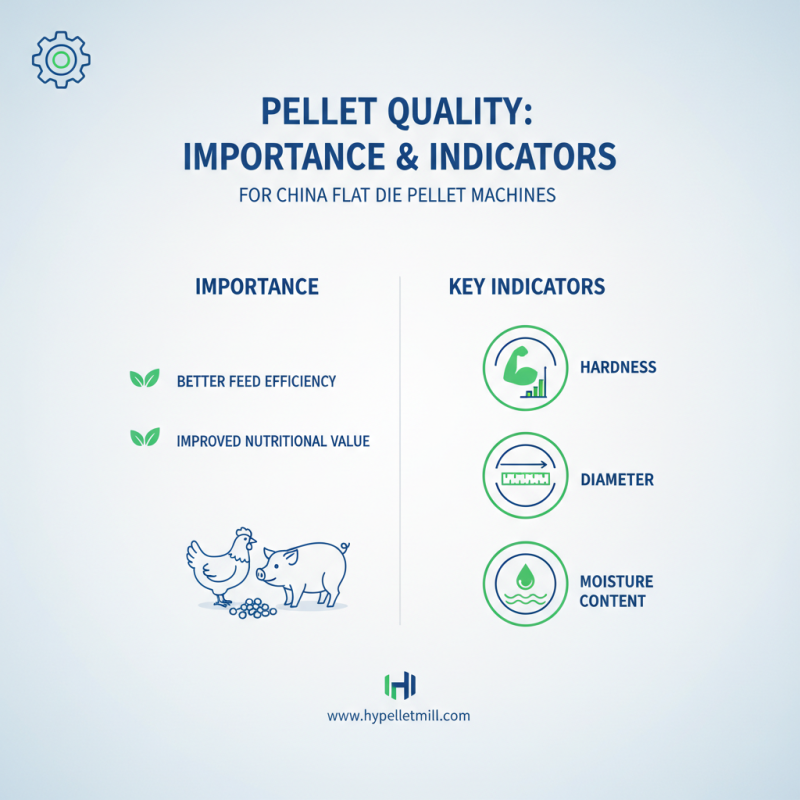
Pellet quality is crucial when using a China Flat Die Pellet Machine. High-quality pellets ensure better feed efficiency and nutritional value. Farmers and manufacturers must focus on specific indicators to assess this quality. Hardness, diameter, and moisture content are essential factors. Each affects how well the pellets perform in their intended application.

Moisture content should ideally remain low. High moisture can lead to spoilage and affect feed quality. The hardness of pellets is another critical measure. It influences how well the pellets withstand handling during transport. If pellets crumble easily, they lose value. Monitoring these aspects often requires specialized tools. Investing in good equipment can seem daunting.

It's also vital to consider the raw materials being processed. Not all biomass or feedstocks yield high-quality pellets. Different materials respond uniquely under pressure and heat. Recognizing this can prevent wasted resources. Enhancing knowledge about pellet quality indicators aids in making informed decisions about using a China Flat Die Pellet Machine. This reflection can lead to ongoing improvements in production and overall efficiency.

Evaluating Production Capacity for Your Needs

When evaluating production capacity for your needs, it's essential to match the flat die pellet machine with your output goals. Think about how much material you plan to process daily or weekly. The machine’s output capacity is a crucial aspect. Knowing this number helps you avoid over- or under-investing in your equipment. The right choice increases efficiency and productivity.

Consider the size of the pellets you want to produce. Different machines create various pellet sizes. Think about your target market. Are they looking for small pellets or larger ones? The ability to produce varying sizes is a significant advantage. It makes your production versatile and adaptable.

Additionally, don't overlook how operational challenges can impact your production capacity. Some machines can struggle under continuous use or require frequent maintenance. Research is critical here. Finding a reliable Wholesale Flat Die Pellet Machine ensures you have support when issues arise.

Ultimately, examining your production capacity closely leads to a more informed purchase decision.

Material Compatibility: What Can You Use with a Flat Die Pellet Machine?

When selecting a flat die pellet machine, it's essential to consider the materials you'll be using. These machines are versatile, handling a range of materials, from wood and biomass to animal feed. Each type of material has specific characteristics that affect the pelleting process. For instance, wood pellets require a certain moisture content, while animal feed can vary more drastically. Understanding these requirements can guide your machine choice effectively.

Tips: Always test small batches first. This helps identify any compatibility issues without wasting materials. Some users encounter unexpected results when mixing different substances. Testing can save time and resources.

Another aspect to think about is the machine's ability to handle various feedstocks. High-Quality Flat Die Pellet Machines typically offer adjustable settings to accommodate different materials. However, it's important to reflect on the machine's limitations. Not all machines perform well with every material. Researching user experiences can provide insights into potential challenges.

Tips: Keep an open mind when choosing your materials. What works for one user may not work for another. Compatibility varies with machine types and individual production goals. Take notes as you experiment, and adjust your approach as needed.

Material Compatibility for Flat Die Pellet Machines

Budget Considerations: Cost vs. Value in Pellet Machines

When selecting a flat die pellet machine, budget is a major concern. Many buyers focus solely on the purchase price. However, the total cost of ownership extends beyond just the initial payment. According to the Pellet Fuels Institute, a reliable machine can provide higher productivity over time. This can lead to significant cost savings on raw materials.

Maintenance costs are another critical factor. The average annual upkeep is often overlooked. Data indicates that poorly maintained machines result in a 15% drop in efficiency. Users must balance upfront costs with long-term value. A more expensive model may save money and time over its lifespan.

Investing in training is also essential. Operators need to understand the machinery. Undertrained personnel can lead to operational delays and increased costs. It's crucial to weigh these aspects while searching for a pellet machine. Ultimately, the right choice hinges on aligning your operational needs with budget considerations. Balancing immediate costs against future savings requires careful thought.

Maintenance and Support: Ensuring Longevity and Efficiency

When selecting a flat die pellet machine, maintenance and support are critical factors. Regular maintenance can significantly enhance the machine's efficiency and lifespan. A study showed that 70% of failures in pellet machines are due to inadequate upkeep. Daily checks on lubrication levels and wear parts can prevent unexpected breakdowns. Keeping the machine clean is essential. Residue buildup can lead to frequent malfunctions.

Access to reliable support is equally vital. Many manufacturers offer comprehensive service agreements. However, not all companies provide the same level of expertise. Research indicates that 60% of operators experience delays when service is needed. Choosing a supplier with a solid reputation for after-sales support is crucial. Look for reviews that highlight their responsiveness and knowledgeable technicians.

Engineers recommend having a maintenance schedule tailored to your machine's specific needs. Documenting repairs and service history allows for better long-term planning. This systematic approach can mitigate risks and save costs. While it may seem tedious, staying on top of maintenance helps avoid larger issues down the line. Implementing proactive measures not only ensures a reliable operation but also maximizes productivity.

How to Choose the Best Flat Die Pellet Machine for Your Needs?

Feature Importance Recommended Maintenance Expected Lifespan
Motor Power High Regularly check and clean 5-10 years
The material Very High Inspect for wear; replace if necessary 5-7 years
Pellet Size Adjustment Moderate Ensure proper calibration and cleaning 3-5 years
Cooling System High Regular maintenance to prevent overheating 4-8 years
User Support Critical Utilize manufacturer support for troubleshooting Ongoing

Maximizing Efficiency in Pellet Production: Insights from Industry Reports on Pellet Cooling Equipment and Packing Machines

Maximizing efficiency in pellet production is crucial for meeting the increasing demand for biomass energy. One of the key areas where improvements can be made is in the packaging stage of pellet production. Utilizing advanced biomass pellet packaging machines can significantly enhance the overall efficiency and reliability of the production process. These machines are designed to automate the packaging workflow, reducing the need for manual labor and allowing for smoother operations.

The automation provided by modern packaging equipment ensures that the weight and dosage of the Biomass Pellets are precise, leading to accurate packaging and maintaining consistent product quality. This precision not only contributes to reducing waste but also helps in optimizing inventory management and distribution. As a result, manufacturers can better meet customer demands while minimizing production costs and time. By investing in advanced packing technology, pellet producers can enhance their operational efficiency, ultimately driving productivity and profitability within their biomass operations.

FAQS

: What is pellet quality and why is it important?

: Pellet quality affects feed efficiency and nutritional value. High-quality pellets yield better results.

What indicators should I assess for pellet quality?

Key indicators include hardness, diameter, and moisture content. Each impacts how well pellets function.

Why is moisture content important?

Low moisture content prevents spoilage and maintains feed quality. High moisture can cause issues.

How does pellet hardness affect performance?

Hardness determines how well pellets endure handling. Easily crumbled pellets lose their value quickly.

What should I consider when evaluating production capacity?

Match the pellet machine to your processing goals. Consider daily or weekly material output.

Can a machine's size options impact my product?

Yes, different machines produce varying pellet sizes. Knowing your market's needs lets you adapt.

How can maintenance affect pellet machine longevity?

Regular maintenance boosts efficiency and lifespan. Most failures result from inadequate upkeep.

What maintenance practices should I follow?

Daily checks on lubrication and cleanliness are essential. This prevents unexpected breakdowns.

How important is support from manufacturers?

Reliable support is crucial. Delays in service can hinder operations and reduce productivity.

Should I document my maintenance activities?

Yes, keeping a maintenance log helps with long-term planning and risk management. It’s worth the effort.

Conclusion

Choosing the right Flat Die Pellet Machine involves understanding its fundamental features and capabilities. Begin by familiarizing yourself with the machine's core functions and performance indicators, as these will significantly influence pellet quality. Key aspects to consider include the machine's production capacity, material compatibility, and the overall budget. It is essential to assess what types of materials you intend to process and ensure the machine can accommodate them, as this will affect the efficiency of your production.

Furthermore, balancing cost and value is crucial; investing in a high-quality Flat Die Pellet Machine can yield better long-term results. Don’t overlook the importance of maintenance and support when making your choice, as these factors contribute to the machine's longevity and operational efficiency. By taking these considerations into account, you can make an informed decision that meets your specific pellet production needs.

Sophie

Sophie

Sophie is a dedicated marketing professional at Shandong Haoyuan Machinery Co., Ltd., where she specializes in promoting the company's innovative products and services. With a deep understanding of the machinery industry, Sophie effectively communicates the unique features and advantages of their......
Previous Discover the Best Pellet Machine in China for Your Business Needs?