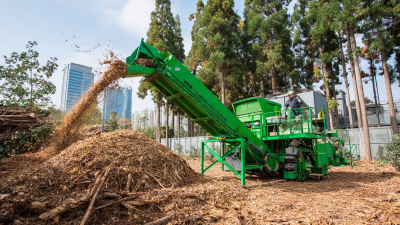
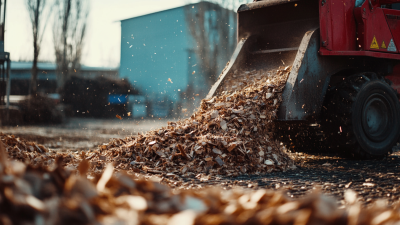
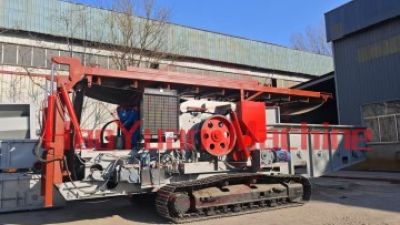
Choosing the right Drum Chipper from China's top manufacturers isn't just about throwing around prices or engine power. Honestly, a good decision starts with considering what kind of material you’re working with, how heavy your daily workload is, and the specific chip quality you're aiming for. Think about it—fresh pine logs, orchard branches, or leftover demolition wood—they all behave a bit differently inside a cutting chamber. Moisture levels can change how much resistance you get when feeding, and the diameter of your material affects rotor stress. If your equipment isn’t a good match, you might end up wasting fuel and getting uneven chips—that’s frustrating, right?
Industry vet Daniel Mercer sums it up nicely: “A chipper should be judged by what it reliably does, not just what it promises.” It’s a simple but important point. A serious supplier will be open about rotor design, how easy it is to access knives, screen options, hydraulic controls, and conveyor capacity. Don’t just take their word for it—ask for production data on material similar to yours. And definitely request clear maintenance schedules. Keep an eye on weld quality, guarding, emergency stops, and the support they offer for spare parts—photos alone don’t tell the whole story.
Brands like Henan Yugong Machinery, Zhengzhou Taizy Machinery, Shandong Huali Machinery, and Jiangsu Acrowood Equipment may have different features, service levels, and customization options. Their brochures can sound pretty convincing, but honestly, seeing is believing. If you can, visit a working site and see the machines in action. Listen out for any strange bearing noises, check if chips are coming out evenly, and see if they’re dusting with too many fines. Chat with operators, not just salespeople—those guys usually have the real scoop.
Of course, no single ranking or review is perfect. That’s the tricky part. A cheaper machine might be fine for seasonal jobs, but if you need something more durable, a beefier unit could end up being overkill for your small yard. When comparing options, don’t just look at the initial cost—consider the overall lifecycle costs too. Pay attention to warranty details, delivery times, training support, and how readily local technicians can help—you want a machine that’s actually productive, not one that quietly drains your budget.
This guide aims to cover those practical details so you can make a smarter choice before settling on a manufacturer.
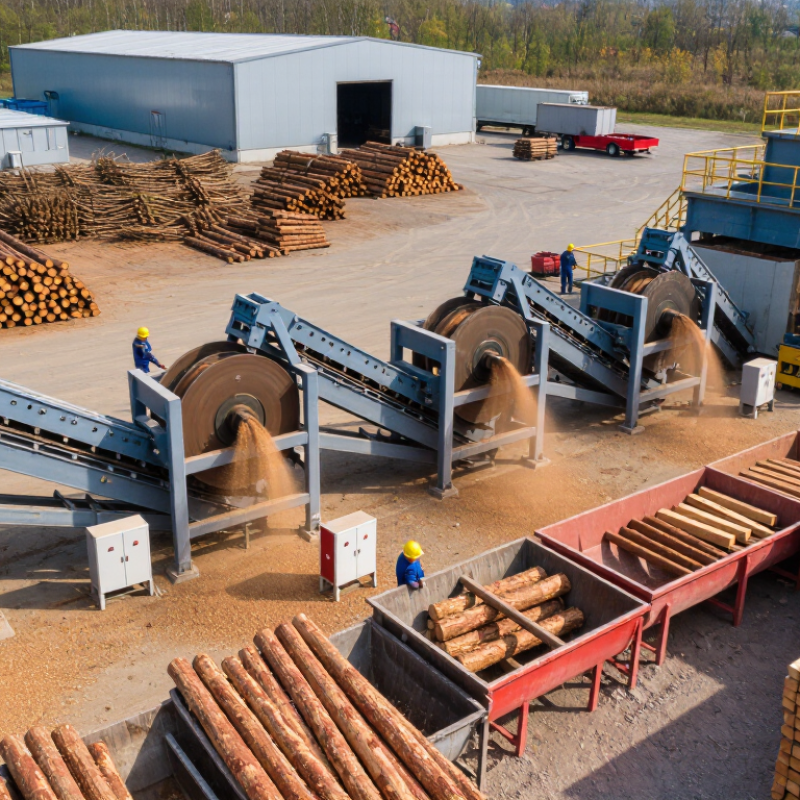
A China Drum Chipper is an industrial machine that converts logs, branches, and slab wood into uniform chips. Its main cutting unit is a rotating steel drum fitted with replaceable knives. As material enters through the feed rollers, the drum pulls it inward and cuts it against a fixed anvil. The chip size depends on knife position, drum speed, feed rate, and discharge screen design.
The process is fast, but it is not effortless. Fresh wood usually feeds smoothly, while muddy, frozen, or overly dry material can increase vibration and knife wear. Operators often hear a sharper impact when a knife becomes damaged. That sound deserves attention. Regularly checking knife clearance, bolts, bearings, and the anvil helps maintain stable production. A small clearance error can create long slivers instead of clean chips.
When choosing equipment, compare drum diameter, motor power, feed opening, chip capacity, and maintenance access. Do not trust capacity figures without considering wood species and moisture. In practical trials, dense hardwood may reduce output more than expected. I have also found that convenient knife access can matter more than a slightly higher rated capacity. The best choice fits the available material, power supply, labor skills, and daily workload. Each site is different.
Choosing China’s top drum chipper manufacturers can offer practical value for forestry, biomass, and wood-processing businesses. Many manufacturers combine large production capacity with competitive equipment costs. Their workshops often support custom drum sizes, feeding systems, motor options, and discharge configurations. This flexibility helps buyers match a chipper to local wood types and daily output needs. Some suppliers also provide remote commissioning, spare parts, and operator training. These services can reduce downtime after installation.
From a professional buying perspective, factory capability matters more than attractive photos. Ask for test videos using similar logs, measurable output data, and clear maintenance schedules. Check welding quality, drum balance, bearing protection, and safety guarding. Reliable manufacturers should explain energy use and expected wear parts without vague promises. However, low prices can hide weak after-sales support. A polished showroom is not enough. I would also request references from comparable projects and inspect the proposed contract carefully. A small mistake here may become an expensive shipping or installation problem.
Tips: Compare at least three technical proposals. Confirm warranty coverage, response times, and spare-part availability. Request a factory video call during real production. Do not ignore noise, vibration, or uneven chips during testing. These details often reveal more than a sales brochure.
Comparing the top 10 Chinese drum chipper manufacturers requires more than checking price. FAO’s Global Forest Resources Assessment 2020 records China’s forest area at approximately 220 million hectares. That scale increases demand for reliable wood-processing equipment. Compare rated throughput, feed-opening size, knife design, motor power, and fuel consumption. Request test videos using similar logs, not selected laboratory material. A machine processing 20 cubic meters per hour on paper may produce less with wet, crooked timber.
Professional buyers should also examine chip quality. ISO 17225-1:2021 classifies solid biofuels by dimensions, moisture, and contamination. Ask each manufacturer for measured chip-size distribution and moisture results. Check whether screens, blades, bearings, and hydraulic parts are locally available. After-sales response matters during peak seasons. A cheaper machine can become expensive after one failed bearing. However, catalog specifications are not independent evidence. That deserves skepticism.
Tips: Build a comparison sheet with identical questions for all 10 suppliers. Record output, fuel use, warranty length, delivery time, and spare-part costs. Visit a working installation when possible. Check factory quality systems and export documentation. Do not select the highest horsepower automatically; excessive power may increase operating cost without improving chip quality. The best choice should match your logs, transport method, labor skills, and local service access. Some comparisons remain imperfect because manufacturers measure performance differently. State that limitation clearly.
Choosing a drum chipper starts with your feedstock, not the catalogue headline. The U.S. Department of Energy’s 2016 Billion-Ton Report estimated that the country could supply more than one billion dry tons of biomass annually by 2040. That scale makes throughput important, but oversized capacity can waste fuel on a small yard.
For a Wholesale Drum Chipper, inspect the infeed opening, drum diameter, knife access, and discharge control. A wide opening handles crooked branches with fewer jams. Replaceable knives should leave a clean edge, like fresh-cut timber, not crushed splinters. The screen size matters too. Smaller openings improve chip uniformity but may reduce output when wet material bridges inside the chamber. Moisture changes everything. The FAO Global Forest Resources Assessment 2020 reports that forests cover about 31% of global land, yet available wood varies widely by region and season. Test local species before choosing motor power.
Safety and service features deserve equal attention. Look for guarded feed rollers, emergency stops, reverse control, and clear maintenance access. OSHA data consistently identifies struck-by and caught-in hazards among serious workplace risks, so operator visibility is not a minor detail. I would also check bearing protection, vibration monitoring, fuel use per tonne, and noise near residential areas. Bigger is not always better. A model may promise high hourly output, but real performance can fall sharply with frozen, stringy, or overly wet wood. That gap deserves honest testing.
Practical priority index for comparing drum chipper features across common applications. The score is normalized from 0 to 100 and is not a manufacturer or brand ranking.
How to use this chart: Throughput, feed-opening capacity, chip-size control, and power efficiency usually have the greatest effect on production results. Safety systems, wear resistance, maintenance access, and spare-parts availability become especially important for continuous industrial operation.
When comparing China’s top drum chipper manufacturers, inspect output under real conditions, not only catalogue figures. Request a witnessed trial using your usual logs, moisture level, and target chip size. Record tonnes per hour, fuel use, screen blockages, and knife replacement time. Separate wet tonnes from dry tonnes. Otherwise, capacity claims can look impressive but mislead.
A High-Quality Drum Chipper should produce consistent particles with limited fines. Use ISO 17225-1 classifications when defining chip size and moisture requirements. Check rotor balance, drum thickness, bearing protection, weld quality, and access for cleaning. Ask for maintenance records from similar installations. I would distrust any supplier refusing a short, documented trial. Brochures are not evidence.
Safety needs measurable controls. NIOSH recommends limiting occupational noise exposure to 85 dBA over eight hours, while OSHA’s permissible limit is 90 dBA. Measure noise beside the operator, not inside a quiet showroom. Verify emergency stops, guarded feed rollers, reverse controls, and lockout procedures. Energy efficiency also deserves numbers. The International Energy Agency estimates electric motor systems consume about 46% of global electricity, making drive efficiency significant. Compare kWh per dry tonne, engine loading, hydraulic losses, and idle fuel use. One flaw remains: laboratory efficiency may collapse when wet bark enters the drum.
Before ordering a Chinese drum chipper, verify its working evidence, not only its catalogue capacity. FAO’s Global Forest Products Facts and Figures 2023 reports nearly 4 billion cubic metres of global roundwood production in 2022. That scale increases demand for consistent chip quality. Ask the supplier for a test using your actual logs, including diameter, moisture, species, and feed length. A clean floor can hide poor feeding performance.
Check the drum diameter, knife arrangement, feed opening, motor power, and discharge system. Request measured output, not estimated tons per hour. Record chip size distribution, fuel consumption, vibration, and noise during a continuous test. Inspect welds around the frame and look for grease points near bearings. Small details matter. Ask whether replacement knives, screens, bearings, and belts are locally available. The Best Drum Chipper is rarely the machine with the largest advertised capacity.
Professional buyers should request drawings, wiring diagrams, maintenance intervals, and a written warranty. Confirm the applicable safety and electrical standards for your country. ISO 9001 certification can indicate controlled processes, but it does not prove cutting performance. An independent inspection before shipment is sensible. My checklist is not perfect; supplier videos may also be staged. Require timestamped test footage or a live factory trial, then compare the results with your own production target. Allow space for imperfect logs and seasonal moisture changes.
| No. | Evaluation Dimension | What to Check Before Ordering | Practical Reference Point | Documents or Evidence to Request |
|---|---|---|---|---|
| 1 | Manufacturer Experience | Confirm how long the factory has produced drum chippers and whether it has supplied machines for applications similar to yours. | Give greater weight to verifiable production history, exported machines, and repeat customers rather than years claimed on a website. | Factory registration details, production photos, customer references, installation records, and recent shipment evidence. |
| 2 | Raw Material Compatibility | Check whether the chipper is designed for branches, logs, slabs, bamboo, plantation wood, or other materials you will process. | The maximum diameter and acceptable material form must be stated clearly; oversized, dirty, frozen, or highly irregular feedstock may reduce performance. | Written feedstock specifications, sample-testing results, recommended moisture range, and limitations on stones, metal, or soil contamination. |
| 3 | Inlet and Drum Capacity | Compare the feed opening, drum dimensions, knife arrangement, and stated maximum log or branch diameter with your actual material. | Do not select capacity only from the nominal maximum diameter; allow for species, crooked material, feeding method, and desired chip size. | Dimensioned drawings, drum and knife specifications, feed-opening measurements, and a video or report from a material trial. |
| 4 | Motor or Engine Configuration | Verify power source, rated power, voltage, frequency, phase, starting current, fuel system, and suitability for continuous operation. | Electric machines require matching voltage and frequency; diesel machines require a clearly identified engine model, cooling system, and service plan. | Motor or engine datasheet, electrical schematic, power calculation, nameplate photo, and applicable conformity or test documentation. |
| 5 | Output Quality | Assess chip-size adjustment, fines content, discharge consistency, and whether the output meets biomass, composting, boiler, or board-production requirements. | Actual output depends on knife condition, screen or adjustment design, feedstock, drum speed, and feeding rate; request measured results rather than general claims. | Sample chips, particle-size analysis, production-rate test, operating conditions, and photographs or video showing the complete discharge stream. |
| 6 | Knife and Wear-Part Design | Check knife material, heat treatment, mounting method, sharpening procedure, counter-knife design, and availability of replacement parts. | Knives should be replaceable or serviceable, securely clamped, and matched to the intended feedstock and chip-size requirement. | Knife drawings, material certificates where available, spare-parts list, sharpening instructions, and replacement-part prices. |
| 7 | Safety Protection | Inspect emergency stops, feed-control mechanisms, anti-kickback protection, guards, interlocks, discharge protection, and safe access for maintenance. | Safety equipment should be physically installed, tested, and described in the operating manual; labels should be clear and durable. | Risk assessment, safety-circuit diagram, operating manual, inspection checklist, conformity declaration, and factory acceptance-test records. |
| 8 | Build Quality and Maintenance | Review frame construction, welding quality, bearing protection, belt or coupling alignment, lubrication points, access doors, and corrosion protection. | A practical design should allow routine inspection, knife replacement, bearing checks, cleaning, and belt or chain adjustment without excessive dismantling. | General arrangement drawing, maintenance schedule, lubrication chart, weld and paint specifications, and inspection photographs. |
| 9 | Testing and Performance Verification | Require a documented test using comparable feedstock and confirm capacity, power consumption, vibration, noise, chip quality, and safety functions. | Performance figures are meaningful only when feedstock type, moisture, diameter, feeding rate, knife condition, and test duration are recorded. | Factory acceptance-test protocol, test video, measured output, energy or fuel data, vibration observations, and signed inspection results. |
| 10 | After-Sales Service and Total Cost | Evaluate warranty coverage, technical support, spare-parts lead time, packaging, installation assistance, payment terms, and transport requirements. | Compare total ownership cost, including power or fuel, knives, bearings, shipping, customs, commissioning, maintenance, and downtime—not only the purchase price. | Detailed quotation, warranty terms, spare-parts catalogue, service response time, packing list, installation instructions, and export documentation. |
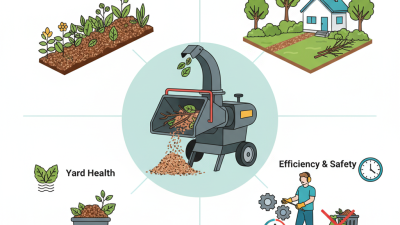
On-site wood processing is becoming increasingly important as landscaping, farming, and forestry operations seek to reduce handling time and make better use of woody residues. The U.S. Environmental Protection Agency’s *2018 Wastes and Materials Management Data* reported that approximately 35.4 million tons of yard trimmings were generated in the United States, demonstrating the scale of organic material requiring responsible management. A comprehensive Mobile Wood Chipper machine helps address this challenge by converting branches, logs, and other suitable wood waste into manageable chips directly at the worksite.
Mobility improves operational efficiency by reducing the need to transport bulky unprocessed materials to a distant facility. Instead, users can bring the machine to construction areas, farms, gardens, or forest sites, process the material immediately, and simplify loading and storage. The resulting chips can support landscape surfacing, garden applications, erosion-control projects, or biomass fuel preparation. This approach can reduce repeated material handling while helping operators maintain cleaner and more organized work areas.
The machine’s versatile design is suitable for professional landscapers, farmers, forestry workers, and property-maintenance teams with varying processing needs. By combining strong chipping capability with convenient movement between locations, it supports a more flexible workflow and helps transform wood waste into a useful resource. The U.S. Department of Energy’s *2016 Billion-Ton Report* also identifies forest and agricultural residues as important potential biomass resources, reinforcing the value of efficient collection and processing technologies.
It converts logs, branches, and slab wood into relatively uniform wood chips. The chips may support fuel, bedding, or material processing.
Feed rollers pull wood toward a rotating steel drum. Replaceable knives cut it against a fixed anvil.
Knife position, drum speed, feed rate, and discharge screen design all influence chip dimensions. Small adjustments matter.
Muddy, frozen, or excessively dry wood may increase vibration and knife wear. Fresh wood usually feeds more smoothly.
A sharper impact sound may indicate a damaged knife. Long slivers can suggest incorrect knife clearance or anvil adjustment.
Request a trial using your actual wood species, diameters, moisture levels, and feed lengths. Catalogue capacity is not enough.
Compare drum diameter, motor power, feed opening, discharge capacity, knife arrangement, and maintenance access. Convenient access can save hours.
Ask for measured output, chip-size distribution, fuel use, vibration, and noise from a continuous test. Videos can be staged.
Confirm availability of knives, screens, bearings, and belts. Request drawings, wiring diagrams, maintenance intervals, and a written warranty.
Treat it as a starting point, not a promise. Dense hardwood, seasonal moisture, and imperfect logs may reduce output considerably.
Choosing the right Drum Chipper requires more than comparing prices. A drum chipper uses a rotating drum fitted with knives to process logs, branches, and other woody materials into uniform chips. When evaluating China’s top manufacturers, buyers should compare engineering experience, production capability, customization options, quality control, delivery reliability, and after-sales support. A structured comparison can help identify suppliers that match the required material type, processing capacity, chip size, and operating environment.
Important features include drum design, knife durability, feeding performance, discharge efficiency, motor or engine power, maintenance access, noise control, and safety protection. Buyers should also evaluate energy consumption, structural strength, testing procedures, certifications, warranty terms, spare-parts availability, and installation support. Before ordering, request detailed specifications, production photos or videos, performance data, inspection arrangements, packaging plans, and a clear contract. Careful verification of quality, capacity, safety, and long-term operating costs can reduce purchasing risks and ensure the selected machine meets practical production needs.