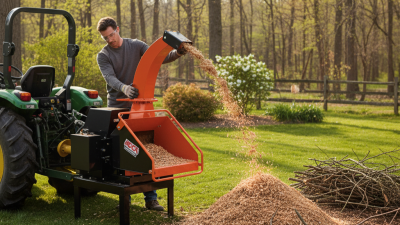
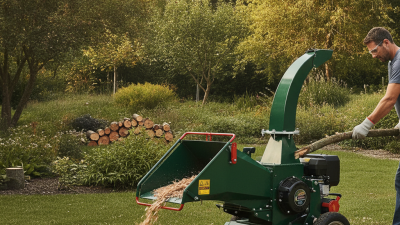
Hey there! So, a Hydraulic Feed Wood Chipper is pretty handy for turning branches, logs, and pruning leftovers into easy-to-handle wood chips. What’s cool about it is that its hydraulic system helps control how the material gets fed into the cutting area. Basically, a pump powers hydraulic motors, which move feed rollers that grip the wood and pull it towards the spinning knives. Most operators can tweak the feed speed, reverse the rollers if needed, or stop feeding altogether — which is super useful, especially when dealing with crooked branches, wet timber, or wood of different sizes.
Did you know that, according to the U.S. Environmental Protection Agency, around 17.2 million tons of wood ended up in the municipal waste stream back in 2018? Plus, yard waste added another hefty 35.4 million tons. That just shows why efficient size reduction tools are so important for landscapers, tree pros, city teams, and biomass folks. On top of that, the Food and Agriculture Organization’s Global Forest Resources Assessment 2020 estimates forests cover about 4.06 billion hectares around the world. So, managing those residues responsibly can really help recover resources—though, of course, a Wood Chipper isn’t a magic fix for every waste problem.
That’s an important point.
Now, a Hydraulic Feed Wood Chipper isn’t the same as gravity-fed models because it uses hydraulic rollers to actively control the wood feeding process. Basically, you place a branch on the feed table, and those rollers guide it into the throat. Then, the knives shear the wood against an anvil, chopping it into chips. The size of those chips depends on the condition of the knives, how fast the rotor spins, and the screen design. Once chipped, a discharge vane or blower pushes the chips into a truck or onto a pile.
Brands like Vermeer, Bandit Industries, and Morbark publish specs on their machines, but in real-world situations, results can vary quite a bit. Factors like moisture content, the type of wood, how well you maintain the machine, and your technique all play a role in how much you can produce. I’ve seen some impressive productivity numbers on paper, only to have those drop quickly if the knives aren’t maintained properly. So, in this article, I’ll go over the machine’s structure, how it works, its pros and cons, and some practical tips for using it effectively.
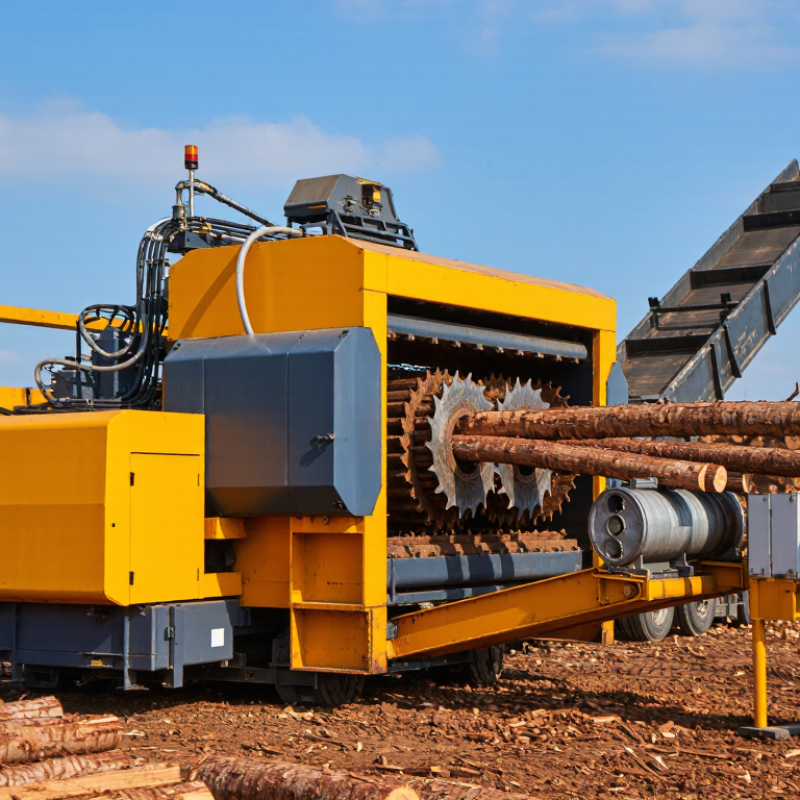
A Hydraulic Wood Chipper is a machine that turns branches and small logs into manageable wood chips. Its hydraulic feed system uses powered rollers to pull material toward the cutting chamber. Unlike gravity-feed equipment, it keeps feeding pressure more consistent. This helps with crooked branches, leafy brush, and damp wood. Inside the chamber, rotating knives mounted on a disc or drum cut the material into chips. An engine powers both the cutting mechanism and the hydraulic pump. Controls usually allow the operator to feed, reverse, or stop the rollers.
The machine still needs careful judgment. A branch may twist suddenly, even when the rollers seem steady. Operators should keep hands away from the feed opening and use suitable protective equipment. I have found that feeding branches at a controlled pace reduces vibration and uneven chips. However, performance depends on knife sharpness, hydraulic pressure, wood diameter, and maintenance. Wet material can also clog the discharge area. That detail is easy to underestimate.
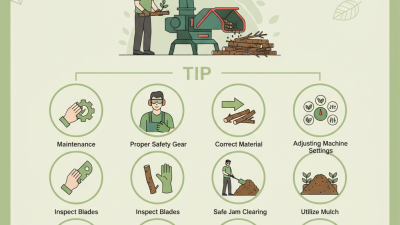
Tips: Inspect hoses, fittings, and emergency controls before operation. Keep the feed table clear of loose tools and stones. Use the reverse function only when necessary, then stop and inspect the blockage safely. Do not force oversized wood into the machine. A slower feed often produces cleaner chips and places less strain on the hydraulic system. Even experienced operators can misjudge a heavy, forked branch. Regular training remains worthwhile.
A hydraulic feed wood chipper uses pressurized oil to pull branches into a cutting chamber. Its key components work as one controlled system. The engine drives a hydraulic pump, which sends oil through hoses, valves, and motors. These motors turn the upper and lower feed rollers. The rollers grip uneven branches and move them toward rotating knives or a cutting drum. A pressure-control valve helps the rollers handle changing branch thickness. Without it, the system may stall or damage the drive components.
The cutting assembly reduces timber into chips, while the discharge chute directs material into a truck or collection area. A hydraulic tank stores and cools the oil. Filters remove particles before they reach sensitive valves and motors. The operator’s feed-control bar can stop, reverse, or restart the rollers. This is not a decorative safety feature. The U.S. Bureau of Labor Statistics recorded 1,069 fatal occupational injuries in the logging industry from 2018 to 2022, showing why guarded controls and maintenance matter. The FAO’s Global Forest Resources Assessment 2020 also reported 4.06 billion hectares of global forest, supporting continued demand for efficient processing equipment.
Tips: Check hydraulic oil level, hose wear, and filter condition before work. Keep hands away from the feed opening. Measure chip size after changing knife settings. A dull knife often increases vibration and fuel use. I would not trust a quiet machine alone; hidden pressure can remain in the circuit. Shut down, isolate, and release pressure before inspection. The best maintenance record includes operating hours, oil changes, knife sharpening, and unusual roller movement.
| Component | Primary Function | How It Works | Typical Data or Operating Range | Key Maintenance or Safety Point |
|---|---|---|---|---|
| Feed Hopper | Provides a controlled entry area for branches, logs, and brush. | Material is placed into the hopper and guided toward the feed rollers without direct access to the cutting disc or drum. | Usually includes a long intake path and a wide opening sized according to the chipper's maximum feed diameter. | Keep guards, warning labels, and emergency controls unobstructed. Never reach into the hopper while the machine is running. |
| Hydraulic Feed Rollers | Pull and compress material into the cutting chamber. | Hydraulic motors rotate one or more toothed rollers. The rollers grip uneven material and feed it at a controlled rate. | Feed speed is commonly adjustable from slow, controlled movement to a faster rate suited to smaller branches. | Inspect roller teeth, bearings, and hydraulic motor connections. Remove jammed material only after complete shutdown and isolation. |
| Hydraulic Pump | Supplies pressurized hydraulic fluid to the feed system. | The pump converts mechanical power from the engine or power take-off into hydraulic flow and pressure. | Hydraulic pressure and flow vary by machine design; the values must remain within the manufacturer's specified limits. | Check fluid level, filter condition, hose integrity, and signs of leakage. Do not search for leaks with bare hands. |
| Hydraulic Control Valves | Direct fluid to control roller direction, speed, and stopping. | Operator controls or electronic controls shift the valves to start feeding, reverse the rollers, or stop the feed mechanism. | Common functions include forward, reverse, neutral, and emergency-stop operation. | Test forward, reverse, and stop functions before work. A control that sticks or responds slowly requires immediate inspection. |
| Hydraulic Motors | Convert hydraulic energy into rotary motion for the feed rollers. | Pressurized fluid turns the motor shaft, which drives the roller through a direct or geared connection. | Torque and speed depend on hydraulic pressure, fluid flow, motor displacement, and material resistance. | Monitor for unusual noise, excessive heat, reduced pulling force, or hydraulic seepage. |
| Chipping Disc or Drum | Supports the knives and provides the cutting surface. | The rotating disc or drum carries material past sharp knives, which shear the wood into smaller pieces. | Rotational speed is set by the machine design and must not exceed the rated operating speed. | Keep the assembly balanced. Stop the engine and wait for all movement to cease before opening the cutting chamber. |
| Chipper Knives | Cut wood against a fixed anvil or counter-knife. | As the disc or drum rotates, the knives pass through the feed material and produce chips of relatively consistent size. | Chip size depends on knife geometry, knife-to-anvil clearance, rotor speed, and feed rate. | Sharpen or replace damaged knives as required, and set clearances accurately to reduce vibration and fuel use. |
| Anvil or Counter-Knife | Provides the stationary cutting edge opposing the rotating knives. | Wood is sheared between the moving knife and the fixed anvil instead of being crushed or torn entirely by the rotor. | The working gap is machine-specific and must be adjusted according to the service instructions. | Inspect for wear, cracks, and an incorrect gap. An improperly adjusted anvil can cause poor chip quality and high vibration. |
| Discharge Chute | Directs finished wood chips away from the cutting chamber. | Airflow and rotor motion carry chips through the chute, which can often be rotated or adjusted for placement. | Discharge direction and throwing distance depend on rotor design, chute position, chip moisture, and engine speed. | Keep the chute clear and never stand in the discharge path. Use a deflector when available to control chip direction. |
| Engine or Power Source | Provides mechanical power for the rotor and hydraulic pump. | The engine drives the cutting rotor directly or through a transmission, while also powering the hydraulic circuit. | Required power increases with feed diameter, wood density, production rate, and knife condition. | Follow scheduled checks for engine oil, cooling, fuel, belts, and exhaust components. |
| Hydraulic Hoses and Reservoir | Store and transport hydraulic fluid between the pump, valves, and motors. | The reservoir holds the working fluid, while hoses and fittings carry it through the pressurized circuit. | Hose size, pressure rating, fluid capacity, and filtration are determined by the hydraulic system design. | Replace hoses showing cuts, abrasion, bulges, or damaged fittings. Keep hydraulic fluid clean and use the specified fluid type. |
| Safety Bar and Emergency Stop | Allows the operator to stop or reverse feeding quickly during an unsafe condition. | The operator activates a mechanical or electronic control that stops the feed rollers and may command reverse movement. | Controls are positioned along the feed opening so they can be reached from multiple working positions. | Test the control before each operating period. It must remain accessible and must never be bypassed. |
| Overall Operating Sequence | Transforms whole branches or logs into chips through coordinated feeding, cutting, and discharge. | The operator places wood in the hopper; hydraulic rollers pull it inward; rotating knives cut it against the anvil; the discharge system expels the chips. | Performance is influenced by wood diameter, species, moisture, feed rate, knife sharpness, and hydraulic condition. | Use only suitable wood material, maintain stable footing, wear required personal protective equipment, and follow the machine's operating manual. |
A hydraulic feed wood chipper uses fluid power to move branches toward the cutting rotor. In a China Hydraulic Wood Chipper, an engine-driven pump sends oil through hoses to hydraulic motors. Those motors turn one or two feed rollers. The rollers grip the branch, compress it, and meter its travel. A control valve changes oil flow, so feed speed matches branch diameter and engine load. Pressure rises when a knot or forked limb resists movement. A relief valve then limits pressure, protecting pumps, hoses, and roller shafts. The mechanism feels simple. Its response is not perfectly linear.
Operators usually reverse the rollers before clearing a jam, rather than forcing the feed. This matters because wet, twisted wood can demand sharply different torque. The Forest Products Laboratory’s Wood Handbook, FPL-GTR-282 (2021), notes that green wood may exceed 100% moisture content on a dry-weight basis. That extra water changes handling resistance and chip quality. The U.S. Department of Energy’s Improving Pumping System Performance (2022) explains that throttling wastes energy, while variable flow control can reduce unnecessary losses. Chipper hydraulics apply the same principle. Lower flow slows feeding during heavy cuts. Higher flow improves throughput when material is straight and uniform. Real wood disagrees. In field testing, watch roller bite, engine sound, and hose temperature. Small adjustments often outperform maximum speed. I would question any capacity figure without wood species, moisture, and operator data. Those details are frequently missing.
A hydraulic feed wood chipper moves timber through a controlled sequence: feeding, cutting, and discharge. Hydraulic rollers grip branches on the infeed table and pull them toward rotating knives. Pressure adjusts the grip as wood diameter changes. This matters with crooked limbs, wet bark, and uneven branch forks.
The knives slice wood against a fixed anvil. Chip size depends on knife condition, rotor speed, anvil clearance, and feed rate. A slower feed usually produces finer chips, but it can reduce productivity. The USDA Forest Products Laboratory’s Wood Handbook reports that wood density varies significantly among species, affecting cutting resistance and fuel demand. It also records typical indoor equilibrium moisture contents near 8–14 percent, showing why stored wood can behave differently from freshly cut material. Real sites are messier. One setting rarely works perfectly.
Tips: Keep the anvil gap within the manufacturer’s engineering specification, and inspect it during shifts. A damaged edge increases vibration and creates irregular chips. Watch the discharge stream, not only the engine sound. Long slivers may indicate dull knives, excessive clearance, or poor feed alignment. ANSI Z133 safety guidance emphasizes controlled feeding zones, emergency stopping systems, and protection from thrown material. OSHA incident analyses repeatedly identify caught-in and struck-by hazards around machinery. Never reach into a blocked chute. Stop, isolate, and verify zero movement before clearing it.
A hydraulic feed wood chipper uses hydraulic rollers to pull branches toward a rotating cutting drum. The engine powers a hydraulic pump, which sends pressurized oil through hoses and control valves. This system provides steady feeding, even when branches are crooked or uneven. Diesel engines suit remote work, while PTO systems use a tractor’s power. Electric power can work for smaller, fixed-site machines. Clean oil matters. Small detail, big consequence.
Capacity depends on the infeed opening, engine output, and hydraulic flow rate. An eight-inch opening may accept large limbs, but actual performance varies. Wet hardwood, forked branches, and dull knives reduce throughput quickly. Rotor speed also affects chip size and fuel use. Too little hydraulic flow causes roller hesitation. Excessive flow can increase heat and component wear. In field testing, I watch how smoothly the rollers recover after thick branches enter. Rated capacity is not always practical capacity. That difference deserves attention.
Tips: Match engine output with the hydraulic system’s required flow and pressure. Measure typical branch sizes before choosing equipment. Leave a safety margin. Inspect hoses, fittings, and knife edges before each work period. When evaluating a Wholesale Hydraulic Wood Chipper, request measured throughput data, not only maximum diameter claims. Keep simple records of fuel use, blocked feeds, and chip quality. These notes reveal weaknesses that specifications may hide.
A hydraulic feed wood chipper uses hydraulic rollers to pull branches toward rotating knives. The operator controls feed speed, stopping or reversing material when it twists. This design handles uneven branches more smoothly than gravity-fed systems. A High-Quality Hydraulic Wood Chipper should include an emergency stop bar, reverse control, guarded discharge areas, and a long feed chute. These features reduce contact with moving parts. However, they do not replace training. The U.S. Bureau of Labor Statistics recorded 5,283 fatal work injuries in 2023, showing why routine hazard control still matters across outdoor industries.
Safety depends on distance, visibility, and disciplined feeding. Operators should wear eye protection, hearing protection, gloves, and slip-resistant footwear. Loose clothing is a poor choice. OSHA’s machine-guarding requirements, including 29 CFR 1910.212, support guarding against rotating hazards. Daily checks should cover hydraulic hoses, fittings, knife bolts, belts, and the emergency stop system. Clean wood dust from hot surfaces. Check fluid levels only when the engine is off. Maintenance records help, although crews sometimes skip them during busy seasons. That weakness deserves honest attention. Common applications include municipal pruning, storm cleanup, utility clearance, landscaping, and biomass preparation.
Tips: Feed butt-end first, keep bystanders outside the exclusion zone, and never reach into the chute. Listen for new vibration. It can signal loose knives, damaged bearings, or uneven loading. Follow the service intervals in the equipment manual, then document every repair with dates and operating hours.
Choosing a reliable China Wood Chipper machine supplier is essential for efficient and consistent wood waste management. Start by evaluating the manufacturer’s production experience, factory capabilities, quality-control procedures, and ability to provide technical support. A dependable supplier should offer clear equipment specifications, stable delivery schedules, spare-parts availability, and responsive after-sales service. It is also important to confirm whether the machine can be adapted to local operating conditions, including material type, feeding capacity, power supply, and required chip size.
A professionally manufactuRed Wood Chipper can provide an effective solution for landscaping companies, farms, forestry operations, and biomass energy projects. The recommended machine is built with a robust structure to withstand continuous processing and demanding working environments. Its adjustable chip-size design allows operators to produce material suitable for mulch, composting, fuel preparation, or agricultural use. Efficient cutting performance helps reduce bulky branches and other wood waste into manageable chips, improving storage, transportation, and resource utilization.
Before placing an order, buyers should request detailed technical documents, production photos, inspection records, and performance information. Confirming customization options, installation guidance, operator training, and warranty terms can help reduce maintenance risks and improve long-term value. By selecting a supplier with transparent communication, dependable manufacturing standards, and comprehensive support, users can obtain a durable wood chipper that delivers stable performance throughout daily waste-processing operations.
It turns branches and small logs into manageable wood chips. Powered rollers pull material toward rotating knives. The machine handles crooked branches better than gravity-fed equipment.
An engine-driven pump sends oil through hoses to hydraulic motors. These motors turn one or two rollers. The rollers grip, compress, and control each branch’s movement.
Yes, but performance may change. Wet wood can resist feeding and clog the discharge area. Twisted branches may suddenly shift. Wet wood surprises.
Match speed with branch diameter and engine load. Slow feeding reduces vibration and hydraulic strain. Faster feeding suits straight, uniform material. Maximum speed is not always best.
Look for an emergency stop bar, reverse control, guards, and a long feed chute. Keep hands away. Wear eye, hearing, hand, and foot protection.
Inspect hoses, fittings, knife bolts, belts, and emergency controls. Remove stones and loose tools from the feed table. Check fluid only with the engine stopped.
Use reverse briefly when necessary. Stop the machine before inspecting the blockage. Never reach into the chute. A rushed response can create a worse hazard.
Keep knives sharp and feed branches steadily. Feed the butt end first when practical. Watch for vibration, uneven chips, and unusual engine sounds.
Typical uses include pruning work, storm cleanup, utility clearance, landscaping, and biomass preparation. They suit uneven branches and changing material conditions.
Not necessarily. Wood species, moisture, diameter, knife condition, and operator skill affect output. I would question figures without field details. Real wood disagrees.
A Hydraulic Feed Wood Chipper is a machine designed to process branches, logs, and other woody materials into manageable wood chips. Unlike basic gravity-fed models, it uses a hydraulic feeding system to control how material enters the cutting chamber. Its main components typically include a hydraulic pump, feed rollers, motors, chipping knives, a flywheel or drum, discharge chute, and control system. Together, these parts regulate feeding speed, cutting action, and chip discharge.
During operation, hydraulic pressure drives the feed rollers, which grip and move wood toward the cutting mechanism. The material is then sliced by rotating knives and expelled through the discharge chute. Performance depends on engine or motor power, feed opening size, knife sharpness, hydraulic flow, and material density. Safety features may include emergency stops, protective guards, reverse-feed controls, and overload protection. Regular maintenance, such as sharpening knives, checking hydraulic lines, cleaning the chamber, and inspecting fasteners, helps maintain efficiency. These machines are commonly used in forestry, landscaping, land clearing, and recycling operations.