Leave Your Message
0%

Picking the top Pallet Chipper manufacturers isn’t as simple as just comparing their advertised capacities. Honestly, real-world performance shows up beside the feed hopper, under the daily pressure of production, and when it’s time for knife changes. A solid machine should handle mixed pallets smoothly, cut down oversized pieces, and stay consistent in energy use. Plus, easy access to wear parts and quick technical support really matter.

Industry expert Daniel R. Hayes puts it simply: “A chipper’s reputation depends on uptime, how easy it is to do maintenance, and delivering predictable chip quality.” That’s crucial when you’re looking at brands like Vecoplan, Inc., WEIMA America, West Salem Machinery, and American Pulverizer Company. Each one approaches pallet recycling a bit differently—some focus on high-speed throughput, others on compact size, modular setups, or customized material handling options.

Honestly, the best pick really depends on your operation. Your feedstock might include nails, dirt, broken runner parts, or warped boards—that stuff can dramatically impact how well the equipment performs. Things like rotor design, knife adjustments, discharge setup, and dust control are worth paying close attention to. And don’t forget service coverage — it can make or break your experience.

Trying to rank these machines neatly can be misleading, though. There’s no one-size-fits-all winner here.

This article looks at leading Pallet Chipper brands based on real-world factors — how durable they are, how much they can process, safety features, maintenance needs, customization options, and customer support. It also compares published specs to what you might actually see during operation. Of course, some conclusions are imperfect because manufacturers test their machines under different conditions. So, honesty about that is important. When shopping around, be sure to ask for application testing, references, and details about operating conditions before you make a final call.
What Are the Top Pallet Chipper Manufacturers?

What Is a Pallet Chipper and How Does It Work?

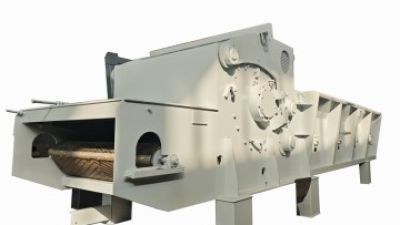
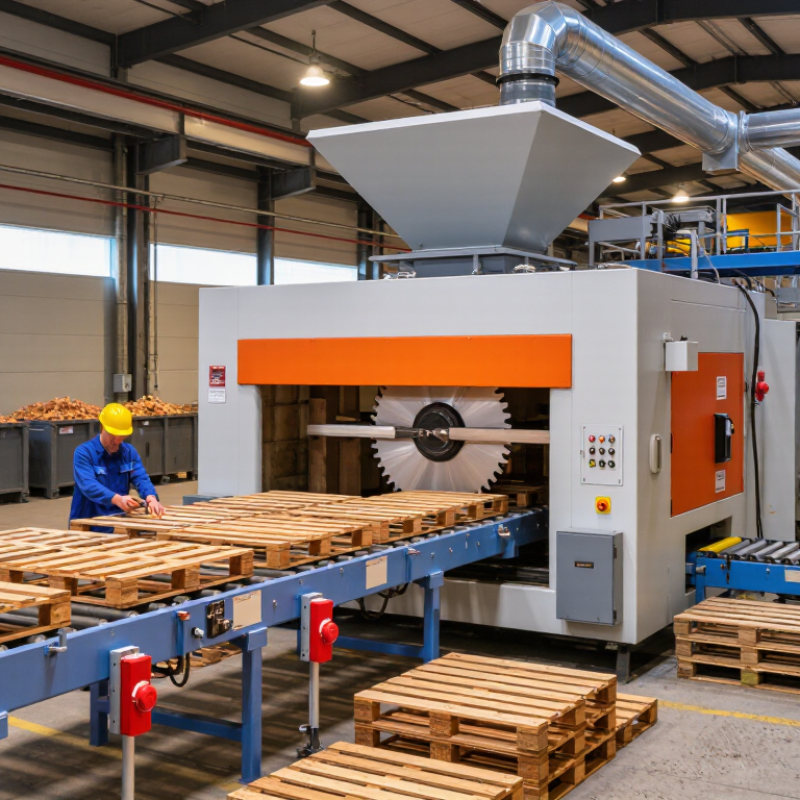
A pallet chipper is an industrial machine that reduces wooden pallets into chips for fuel, bedding, or engineered wood production. It uses a feed table, cutting rotor, fixed knives, and a discharge screen. Operators place a pallet onto the table, where powered rollers guide it toward the rotor. Rotating knives then cut the wood into smaller pieces. The screen controls the final chip size.

Moisture, nail placement, and pallet thickness affect performance. A dry pine pallet may pass quickly, while damp hardwood can slow the feed and increase motor load. Good machines use adjustable knives and overload protection. These features help prevent jams when a broken board enters unevenly. Still, no machine is magic. Operators must inspect pallets and remove unsuitable materials before processing.

When comparing a China Pallet Chipper with other equipment, buyers should examine rotor diameter, motor power, throughput, screen design, and maintenance access. A reliable manufacturer should provide clear capacity tests and practical service guidance. Ask whether replacement knives are available and whether the frame tolerates continuous industrial use. In daily operation, small details matter. Grease points should be reachable, guards should close securely, and controls should remain visible from the feeding position. One overlooked issue is noise; a productive chipper can still create an uncomfortable work area without proper planning.

What Is a Pallet Chipper and How Does It Work?

Screen openings commonly control the final chip size. A smaller opening produces finer material, while a larger opening allows coarser chips to pass through. Pallet chippers typically use rotating knives or hammers to reduce waste wood before the material is screened.

Which Features Define a High-Quality Pallet Chipper?

A high-quality pallet chipper should turn mixed, damaged pallets into consistent chips without constant adjustments. In practical evaluations, the rotor and knife design deserve close attention. Hardened knives should keep a sharp edge, while replaceable cutting parts reduce long-term maintenance costs. The feed opening must handle common pallet sizes without forcing operators to dismantle every board.

Safety and control matter just as much. A guarded intake, emergency stop, overload protection, and stable frame help protect workers during demanding shifts. Noise matters. Excessive vibration can loosen fasteners, damage bearings, and create uneven chip sizes. A reliable machine should also provide clear controls, accessible service panels, and simple instructions for daily inspections.

Power selection requires careful judgment. A larger motor is not automatically better. It may increase energy use when the rotor, knives, or feed system are poorly matched. Buyers seeking a Wholesale Pallet Chipper should compare actual throughput, chip dimensions, motor efficiency, and maintenance intervals. Dust management is another practical detail, especially in enclosed processing areas. One overlooked issue is cleaning access; compact internal spaces can make routine removal of nails and debris frustrating. Manufacturers that provide test data, parts support, and realistic performance limits appear more trustworthy than sellers using vague capacity claims. Even strong equipment can disappoint when pallets contain excessive metal or moisture.

Who Are the Leading Pallet Chipper Manufacturers?

Leading pallet chipper manufacturers are defined by more than sales volume. Their equipment must process damaged pallets consistently, while controlling dust, noise, and oversized fragments. The U.S. Environmental Protection Agency reported 18.1 million tons of wood in municipal solid waste in 2018. Only about 3.2 million tons were recovered. That gap shows why dependable chipping systems remain valuable in recycling operations.

The strongest manufacturers usually offer industrial chippers with reinforced cutting chambers, replaceable knives, and adjustable discharge screens. These details matter when pallets contain nails, staples, or mixed hardwood. The Freedonia Group’s woodworking machinery research identifies automation, labor reduction, and material recovery as major purchasing influences. Leading suppliers respond with hydraulic feeding, overload protection, and sensor-based controls. Safety is not decorative.

Field experience still exposes weaknesses. Some machines advertise high hourly capacity, yet real output falls when pallets arrive wet or badly stacked. I would examine tested throughput, energy use per ton, knife life, and service response. The U.S. Department of Energy notes that motors and material-handling systems can significantly affect industrial energy consumption. A credible manufacturer should publish operating conditions, not only peak figures. Independent demonstrations help. So does a careful reference check.

How Do Major Manufacturers Compare by Product Range?

Comparing pallet chipper manufacturersstarts with product range, not machine size. Some suppliers offer compact electric units for small recycling rooms. Others build diesel-powered Mobile Chippers for yards, construction sites, and timber operations. The strongest catalogs usually include stationary models, towable machines, conveyors, screens, magnets, and dust-control equipment. This broader range can simplify plant planning.

Product depth also appears in rotor options and feed openings. Smaller machines may accept pallets one at a time through a narrow throat. Heavy-duty models can process mixed wooden loads with reinforced cutting chambers. Adjustable knives, hydraulic feeders, and replaceable wear plates affect daily maintenance. A useful supplier should provide documented output rates, power requirements, noise data, and spare-part availability. Numbers matter more than polished brochures.

Service coverage separates similar product lines. Look for commissioning support, operator training, inspection schedules, and clear warranty terms. Some manufacturers provide remote diagnostics and modular components. Others rely on local dealers and standard mechanical parts. That approach may be less advanced, but repairs can be faster. A wider catalog is not automatically better. An overlooked issue is compatibility with existing conveyors and electrical systems. One poorly matched interface can delay an entire shift. Comparing real sample pallets, moisture levels, and contamination gives a more reliable result than watching a showroom demonstration.

What Industries and Applications Use Their Machines?

Pallet chippers serve industries that handle large volumes of discarded wooden pallets. Recycling plants use them to turn broken boards into fuel chips, animal bedding, or landscaping material. Manufacturing warehouses also use these machines near loading areas. This reduces bulky waste and keeps walkways clear. A High-Quality Pallet Chipper can process hardwood and softwood pallets with fewer stoppages. However, performance depends on moisture, nail content, and pallet thickness.

Agricultural businesses often use chipped wood for mulch and compost blends. Biomass facilities may feed screened chips into heating systems. Construction companies can reduce transport costs by processing damaged pallets onsite. Experienced operators check throughput, knife wear, noise levels, and dust control before choosing equipment. A powerful machine is not always the best choice. Smaller facilities may need easier cleaning and lower energy use instead. One overlooked issue is material sorting. Mixed wood can affect chip consistency and maintenance costs.

Tips:Measure your daily pallet volume before contacting manufacturers. Test representative pallets, including damp and heavily damaged units. Ask for service records, spare-part availability, and operator training. Leave space around the machine for safe inspection. The cheapest option may create expensive delays.

How Should Buyers Evaluate Pallet Chipper Manufacturers?

Choosing the Best Pallet Chipper requires more than comparing horsepower and purchase prices. Buyers should examine real operating evidence. Ask manufacturers for verified throughput, knife life, screen options, and energy use under mixed pallet conditions. A machine that processes clean, dry boards may struggle with nails, wet timber, or oversized blocks.

The U.S. Environmental Protection Agency’s Facts and Figures report identified 18.1 million tons of wood in American municipal solid waste in 2018. Only about 0.6 million tons were recycled. This gap shows why recovery performance matters. Request test results that state input moisture, pallet dimensions, contamination levels, and final chip size. Without those details, “high capacity” means very little. It is an easy claim.

Safety evidence deserves equal attention. OSHA guidance treats wood dust as a combustible-dust concern, while NFPA 664 addresses fire protection in woodworking facilities. Evaluate dust extraction, access doors, emergency stops, guarding, and maintenance lockouts. Ask whether the manufacturer provides documented risk assessments and operator training. Also check spare-part availability, response times, warranty exclusions, and technician coverage in your region.

A factory visit can reveal practical weaknesses. Watch the feed table, listen for vibration, and inspect how quickly screens are changed. I would not rely on a polished demonstration alone. Require a trial using your own pallets and record downtime, fuel or electricity use, chip consistency, and rejected material. The cheapest quotation may become expensive when knives, labor, and lost production are included.

What Are the Top Pallet Chipper Manufacturers? - How Should Buyers Evaluate Pallet Chipper Manufacturers?

Evaluation Dimension What Buyers Should Verify Practical Benchmark or Evidence Why It Matters Suggested Weight
Processing Capacity Confirm the rated throughput for whole pallets, pallet components, and mixed wood waste under the buyer’s actual operating conditions. Request a documented capacity range in tonnes per hour or cubic metres per hour, together with the test material, moisture content, and screen size. A nominal capacity without material and operating conditions can be misleading and may cause production bottlenecks. 15%
Feed Opening and Material Handling Check whether the infeed accepts the largest pallet dimensions and whether operators must dismantle pallets before feeding. Compare the feed opening, conveyor width, maximum piece size, hopper design, and available infeed automation with the facility’s pallet flow. Suitable feeding equipment reduces manual handling, labour requirements, and material jams. 10%
Product Size and Output Quality Evaluate the required chip size, uniformity, fines level, and suitability for biomass fuel, animal bedding, landscaping, or engineered wood applications. Ask for sample output, screen specifications, knife or cutter configuration, and test results using comparable pallets. Consistent output improves downstream handling, resale value, combustion performance, and compliance with end-user specifications. 12%
Drive System and Energy Use Compare electric, diesel, or hydraulic drive options, installed power, fuel or electricity consumption, and site power availability. Require motor or engine ratings, expected energy consumption per tonne, starting-current information, and compatibility with the facility’s electrical service. Energy costs directly affect operating expenses and may determine whether installation upgrades are necessary. 10%
Cutting Components and Wear Life Review knife, cutter, hammer, anvil, screen, and bearing designs, including adjustment and replacement procedures. Request wear-part material specifications, expected service intervals, sharpening guidance, replacement costs, and stock availability. Pallets may contain nails, screws, staples, dirt, and embedded metal that accelerate wear and damage. 12%
Metal Removal and Contamination Control Determine how the system handles nails, screws, metal straps, plastic wrap, and other contaminants commonly found in used pallets. Verify magnet options, tramp-metal protection, accessible clean-out points, reject systems, and procedures for contaminated loads. Effective contamination control protects the machine, improves product quality, and reduces unplanned downtime. 10%
Safety Engineering Assess guarding, emergency stops, interlocks, lockout/tagout access, noise controls, dust management, and safe maintenance access. Request a risk assessment, safety manual, conformity documentation for the destination market, and records of applicable machinery standards. Chipping equipment combines rotating components, stored energy, sharp cutting parts, noise, and airborne dust hazards. 12%
Reliability and Maintainability Examine frame construction, bearing protection, lubrication points, access panels, diagnostic functions, and restart procedures after a jam. Ask for operating references, maintenance schedules, warranty-claim information, mean-time-to-repair data, and a demonstration under load. A robust, serviceable design reduces downtime and improves total production over the machine’s useful life. 10%
Service and Spare-Parts Support Evaluate local technicians, response times, parts distribution, remote diagnostics, training, and commissioning support. Obtain written service-level commitments, parts lead times, recommended spare-parts lists, training scope, and escalation contacts. Support quality is especially important when the machine is a critical part of a recycling or biomass-processing line. 10%
Compliance and Documentation Confirm that technical files, manuals, wiring diagrams, declarations, labels, and safety documentation match the destination country. Check relevant market requirements, including applicable machinery, electrical, emissions, noise, and workplace-safety regulations. Incomplete documentation can delay installation, inspections, operator training, and legal commissioning. 5%
Total Cost of Ownership Compare purchase price with installation, civil works, utilities, labour, consumables, wear parts, maintenance, energy, and disposal costs. Prepare a multi-year cost model using verified throughput, operating hours, energy prices, labour rates, and replacement-part prices. The lowest initial quotation may not provide the lowest cost per processed tonne. 4%
Testing and Reference Validation Assess whether the manufacturer can test representative pallet loads and provide references from operations with similar material and volume. Request a witnessed trial, sample output, performance report, customer references, and clearly defined acceptance criteria. Independent verification reduces the risk of relying on laboratory or best-case performance claims. 5%
Total Suggested Evaluation Weight 100%

Buyers should compare manufacturers using verified, application-specific data rather than catalogue capacity alone. Final selection should be based on a witnessed test, documented safety compliance, lifecycle cost, and the availability of local technical support.

Wood Chipper Market Outlook: FAO & Grand View Research Data on Efficient Waste Management with China Haoyuan Machinery

Global demand for efficient wood-waste management is rising as landscaping, agriculture, and biomass-energy operators seek practical ways to reduce disposal costs. The FAO’s *Global Forest Resources Assessment 2020* records approximately 4.06 billion hectares of forest worldwide, highlighting the scale of available forestry resources and the importance of responsible residue utilization. Converting branches, logs, and pruning waste into uniform chips can support cleaner handling, easier transport, composting, and renewable-energy applications.

Grand View Research market analyses identify expanding demand for wood-processing and biomass equipment, supported by urban tree maintenance, forestry activities, and renewable-energy development. A modern Wood Chipper helps businesses process waste directly at the worksite, reducing bulky material volume while producing customizable chip sizes for landscaping mulch, agricultural use, or biomass fuel. Robust construction, high-efficiency cutting systems, and straightforward operation are increasingly important purchasing criteria for professional users.

Manufactured by an experienced China-based supplier, this wood chipper is designed for dependable performance across demanding working environments. Its powerful configuration accommodates diverse wood residues, while adjustable output sizes provide flexibility for different applications. Durable components and a stable structure help support long service life, consistent productivity, and lower routine handling requirements for contractors, farms, landscaping teams, and biomass operators.

FAQS

What features define a high-quality pallet chipper?

It should produce consistent chips from mixed, damaged pallets with few adjustments. Hardened knives help maintain a sharp cutting edge. Replaceable parts can reduce maintenance costs. A guarded intake, emergency stop, and overload protection are essential. Not every machine performs equally well.

How large should the feed opening be?

The opening should accept common pallet sizes without excessive dismantling. A narrow throat may slow operators during busy shifts. Test full pallets and broken boards before purchasing. Measure actual loads, not showroom samples.

Does a larger motor guarantee better performance?

No. Motor size must match the rotor, knives, and feeding system. An oversized motor may consume more electricity unnecessarily. Compare throughput, chip size, and energy use. Bigger is not always better.

Why do vibration and noise deserve attention?

Excessive vibration can loosen fasteners and damage bearings. It may also create uneven chip sizes. Loud operation can make long shifts uncomfortable. Check noise data and observe the machine under load. Quietness alone proves little.

What safety and maintenance details should buyers inspect?

Look for guarded intake areas and accessible emergency stops. Overload protection can limit damage during blockages. Service panels should allow easy cleaning and inspection. Remove trapped nails and debris regularly. Cleaning access is easy to underestimate.

How can suppliers be compared fairly?

Compare documented output rates, power requirements, noise levels, and spare-part access. Ask for realistic performance limits. Test similar pallets with matching moisture and contamination. Polished brochures can hide practical weaknesses.

Which industries commonly use pallet chippers?

Recycling plants process broken pallets into fuel chips or landscaping material. Warehouses reduce bulky waste near loading areas. Farms may use chips in mulch or compost blends. Construction sites can process damaged pallets onsite. Applications vary.

What should operators test before selecting a machine?

Test dry, damp, thick, and heavily damaged pallets. Include representative nail content and mixed wood types. Observe chip consistency, knife wear, dust, and cleaning time. Leave inspection space around the machine. I would not judge performance from one perfect pallet.

Conclusion

A Pallet Chipper is a specialized machine designed to process discarded wooden pallets into manageable wood chips for recycling, fuel, animal bedding, landscaping, or other material applications. It typically uses a powerful feeding system, rotating cutting components, and a discharge outlet to reduce bulky pallets efficiently. A high-quality machine should offer durable construction, consistent output, safe operation, easy maintenance, adjustable chip size, and reliable performance under demanding working conditions.

Leading pallet chipper manufacturers are generally distinguished by their engineering expertise, product reliability, customization options, and after-sales support. Their equipment may range from compact units for small recycling operations to high-capacity systems for manufacturing, logistics, waste management, biomass energy, and landscaping businesses. Buyers should compare manufacturers by processing capacity, energy efficiency, safety features, spare-parts availability, service responsiveness, warranty coverage, and total operating cost. Selecting the right supplier requires matching machine performance and configuration with the volume, type, and intended use of the pallets being processed.
Amelia

Amelia

Amelia is a dedicated marketing professional at Shandong Haoyuan Machinery Co., Ltd., where her expertise shines in every aspect of her work. With an in-depth understanding of the company's products and services, she consistently delivers high-quality content that elevates the brand's presence in......
Previous China Top 10 Drum Chipper Manufacturers How to Choose?