Leave Your Message
Picking the right supplier for pellet equipment really can make or break your project—things like how stable your production runs, your maintenance costs, and your overall return on investment. So, I put together this guide to take a closer look at five of the top Yulong Pellet Machine suppliers. Whether you're just starting out or looking for a reliable partner worldwide, these options offer practical, dependable solutions.
Now, we’re not just going over flashy marketing pitches here. Instead, I focus on the nitty-gritty details that really matter—things like machine capacity, what kinds of raw materials they handle, power needs, pellet sizes, and how consistent their manufacturing process is. Plus, I look at their factory experience, how good their tech support is, availability of spare parts, communication during delivery, and the paperwork involved in exporting. These details are super important when your equipment is far from their support team, and having a clear quote and a realistic installation plan makes a big difference.
It’s also a smart move to ask for proof before you commit—stuff like production videos, technical drawings, test results, and references from similar projects. If you can, take a close look at important parts like the feeder, die, rollers, cooling system, and control panel. Even tiny components can cause big headaches if they fail. No supplier is perfect—sometimes they might struggle with certain biomass types, regional electrical standards, or response times. That’s just part of the game.
This intro is meant to help you compare these five suppliers in a more thoughtful way. It’s not just about price or how visible they are online. We’re considering real-world usability, technical trustworthiness, and your protection as a buyer. Keep in mind, specs change and it’s always smart to verify their claims. Make sure to check their current certifications, warranty details, spare parts prices, and compliance with local rules before you sign any contract.
Global buyers are assessing pellet equipment in a growing but demanding market. Bioenergy Europe’s Statistical Report 2024 estimated global Wood Pellet production at about 47 million tonnes in 2023. This scale increases demand for stable machines, spare parts, and measurable energy efficiency. A supplier overview should examine more than advertised output.
The five strongest supplier candidates usually provide complete technical data. Buyers should compare capacity, moisture tolerance, motor efficiency, die life, and pellet density. For example, a claimed 2 tonnes per hour means little without raw material specifications. A Yulong Wood Pellet Machine should be assessed using real feedstock tests, not catalog figures alone. Ask for sample pellets, power-consumption records, and installation references from similar climates.
Details matter on the factory floor. Check whether bearings are easy to replace and whether the control panel records overload events. The International Energy Agency highlights efficiency and reliable biomass supply as important factors in bioenergy development. However, published reports rarely show the full maintenance cost. That gap deserves attention. I would also request a written warranty, operator training, and a delivery schedule with penalties for avoidable delays. A polished website is not proof. A video call showing a running machine helps, but independent inspection remains stronger. Some buyers may overlook dust control, noise levels, or local electrical standards; that mistake can become expensive after installation.
| Rank | Anonymous Supplier Profile | Primary Buyer Fit | Typical Machine Format | Indicative Capacity Range | Common Feedstock | Key Evaluation Strength | Export-Readiness Checklist |
|---|---|---|---|---|---|---|---|
| 01 | Profile A — Integrated Commercial-Line Supplier | Large farms, biomass processors, and industrial fuel producers | Ring-die Pellet Mill line with feeding, cooling, screening, and packing sections | Approximately 1–10 tonnes per hour, depending on material and configuration | Wood residues, straw, grass, and other prepared biomass | High-throughput layout and easier integration with upstream and downstream equipment | Confirm voltage, motor standards, layout drawings, spare-parts list, and commissioning support |
| 02 | Profile B — Small- and Medium-Scale Project Supplier | Small businesses, cooperatives, and decentralized agricultural projects | Flat-die Pellet Machine or compact production line | Approximately 100–800 kilograms per hour, subject to raw-material conditions | Sawdust, rice husk, corn stalks, wheat straw, and similar agricultural residues | Lower initial investment and simpler installation requirements | Request motor efficiency data, die specifications, operating instructions, and training options |
| 03 | Profile C — Agricultural Feed Pellet Specialist | Livestock farms, feed mills, and agricultural distributors | Feed pellet mill with conditioner, mixer, crumbler, and screening options | Approximately 0.5–8 tonnes per hour, depending on formula and pellet diameter | Grain mixtures, bran, oilseed meals, forage, and formulated feed ingredients | Better process control for feed consistency, moisture conditioning, and pellet durability | Verify food-contact materials, hygiene design, die sizes, safety guards, and cleaning procedures |
| 04 | Profile D — Wood Pellet Production Specialist | Heating-fuel manufacturers and sawmill by-product processors | Wood pellet line with drying, hammer milling, pelletizing, cooling, and packing | Approximately 1–6 tonnes per hour, depending on moisture, density, and feedstock preparation | Sawdust, wood shavings, chips, and other clean woody residues | More complete handling of moisture reduction, particle-size control, and finished-pellet cooling | Check dryer fuel requirements, dust-control provisions, fire protection, emissions compliance, and spare dies |
| 05 | Profile E — Custom Project and OEM-Oriented Supplier | Engineering contractors, distributors, and buyers requiring customized layouts | Modular pellet system configured around the buyer’s raw material and site conditions | Project-specific; commonly configured from pilot scale to multi-line production | Wood, agricultural residues, forage, and blended biomass materials | Greater flexibility in automation, plant layout, material handling, and packaging | Require process testing, guaranteed output conditions, technical drawings, PLC details, and acceptance criteria |
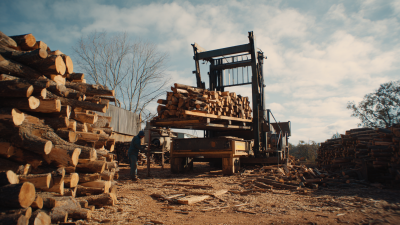
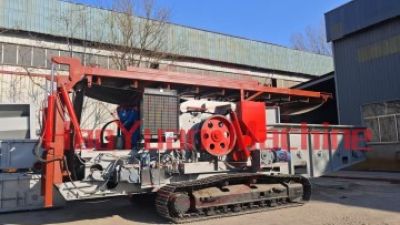
Forestry statistics from international organizations show the importance of improving wood-resource efficiency, while market research indicates continued demand for mobile processing equipment in landscaping, agriculture, forestry, and biomass applications. Against this background, a mobile wood chipper offers a practical way to process branches, logs, and other clean wood waste close to the worksite. Its movable design can reduce transport needs, support faster site clearance, and produce consistent chips for mulch, garden materials, animal bedding, or renewable fuel.
Designed for professional users, this China-manufactured mobile wood chipper combines a durable structure with efficient cutting performance and convenient operation. Landscapers can handle pruning waste more effectively, farmers can prepare organic material for reuse, and forestry teams can process residue during maintenance or harvesting activities. Factory-engineered components help improve reliability under demanding working conditions, while the adaptable configuration allows the machine to serve different material sizes and operating environments. Through cooperation with experienced equipment suppliers, users can obtain a versatile processing solution that helps reduce waste, optimize labor, and make better use of available wood resources.
: Compare verified performance, not attractive catalog claims. Request written quotations, test records, warranty terms, and customer references. Test it.
Output can change sharply between dry sawdust, rice husks, and straw. Ask for hourly capacity using your actual material and moisture range.
Use ISO 17225-2 as a reference for finished pellet quality. Check density, durability, moisture, and consistent size.
Examine die durability, roller design, frame welding, motor protection, and die alignment. Small details often reveal manufacturing discipline.
Request factory acceptance-test records, energy use per tonne, inspection reports, spare-parts lists, and serialised component details. Missing records deserve reflection.
No. Weak bearings, repeated stoppages, delayed parts, and high electricity costs can increase five-year ownership costs. Cheap can become expensive.
Confirm whether installation guidance, operator training, commissioning, and video support are included. Vague wording may cause problems later.
One video proves very little. Request a sample pellet test using your material, recent overseas references, and performance data from similar climates. Be careful.
Include the machine, dies, rollers, electricity, shipping, spare parts, downtime, installation, and maintenance over five years. The purchase price is only one line.
This guide provides global buyers with a practical overview of how to evaluate Yulong Pellet Machine suppliers and identify the most suitable partners for different production needs. It explains key selection criteria, including equipment reliability, manufacturing experience, production capacity, energy efficiency, safety features, certification, and international service capabilities. The article also compares common pellet machine models, their core features, applicable raw materials, and output ranges, helping buyers understand how equipment specifications align with project requirements.
In addition, the guide highlights the importance of quality control, customization options, installation support, spare-parts availability, training, and responsive after-sales service. Rather than focusing only on purchase price, buyers are encouraged to assess total operating value, long-term maintenance needs, delivery capability, and supplier communication. By carefully comparing these factors, global customers can select a dependable Yulong Pellet Machine supplier that offers suitable technology, stable performance, flexible solutions, and reliable support throughout the equipment’s service life.